
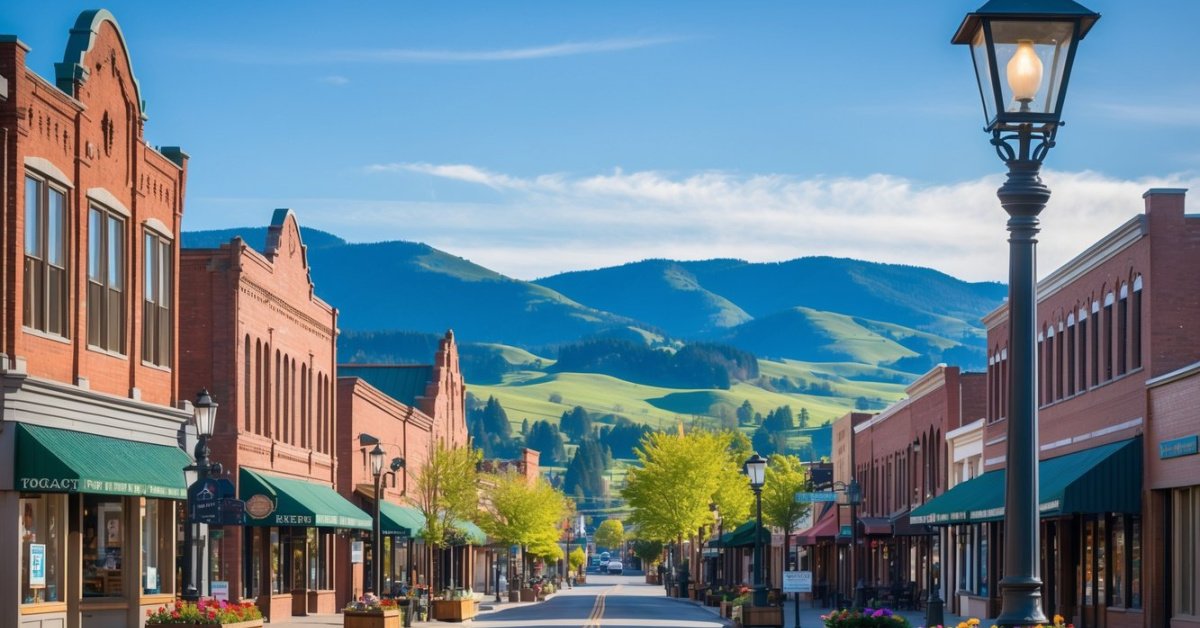
Whenever I visit Oregon I’m struck by how wild and beautiful this corner of the country feels. Towering forests stretch for miles rivers carve deep canyons and snow-capped peaks seem to watch over it all. It’s easy to see why so many people are passionate about protecting these incredible places.
I’ve always been curious about what goes into conserving Oregon’s natural wonders. National parks play a big role but there’s so much more happening behind the scenes. From local initiatives to statewide efforts people all across Oregon are working to keep these landscapes healthy and thriving for generations to come.
The Importance of Conservation in Oregon
Conservation in Oregon protects unique landscapes like old-growth forests in the Cascades, high desert ecosystems in Eastern Oregon, and salmon-rich rivers like the Rogue and the Deschutes. My experience exploring areas like Crater Lake National Park, Smith Rock, and the Tillamook State Forest shows how diverse habitats support rare wildlife, including threatened marbled murrelets and wild chinook salmon runs. These efforts maintain healthy watersheds, which provide clean drinking water for more than 3 million Oregonians, according to the Oregon Water Resources Department.
Groups like Oregon Wild, The Nature Conservancy, and local watershed councils contribute by restoring fish habitat, controlling invasive species, and replanting native vegetation. Oregon’s public land system—offering 53 state parks, 7 national forests, and over 350 miles of designated wilderness trails—depends on sustainable practices to manage recreation, logging, and grazing.
Sustaining these natural resources directly impacts tourism, a $12.3 billion industry, and supports family-owned farms and fisheries. My visits to less-traveled spots like Wallowa County and the Rogue-Umpqua Scenic Byway show conservation connects communities with outdoor traditions, from hiking to fishing. Maintaining Oregon’s environment helps preserve not only scenic beauty, but also a way of life for residents and visitors.
Overview of National Parks in Oregon
Oregon’s national parks connect people with places that define the state’s natural character. I’ve explored each park’s unique setting, from deep lakes to underground caves, that highlight Oregon’s conservation story.
Crater Lake National Park
Crater Lake National Park showcases Oregon’s deepest lake, formed by the collapse of Mount Mazama about 7,700 years ago. Clear blue water fills the caldera, reaching a depth of 1,949 feet according to the National Park Service. Rim Drive, a 33-mile scenic route, offers panoramic views every summer and fall. I’ve hiked Garfield Peak and watched snow linger into late June, even in the warm valley months. Old-growth forests border the lake, sheltering wildlife like Clark’s nutcracker and mountain hemlock. Conservation crews maintain clean trails and protect the lake’s clarity by monitoring runoff and visitor impact.
Oregon Caves National Monument and Preserve
Oregon Caves National Monument and Preserve sits in the Siskiyou Mountains, where marble caves wind beneath ancient Douglas-fir forests. The cave system stretches for about 15,000 feet, with tours leading past rare cave formations, tiny endemic spiders, and cold, clear streams. Surface trails climb above the caves, giving glimpses of limestone outcrops and Pacific yew trees. Rangers and scientists monitor bat populations for signs of white-nose syndrome while preserving fragile cave features formed over thousands of years. Conservation efforts here link geology, biology, and forest stewardship, connecting my own curiosity with the larger network of Oregon’s protected places.
Beyond National Parks: Other Protected Areas
Oregon’s protected landscapes go far beyond its national parks. I see most Oregonians explore state parks, national forests, and wildlife refuges for their wild beauty and unmatched access to nature.
State Parks and Wildlife Refuges
State parks in Oregon showcase coastal headlands, canyon rivers, and cascading waterfalls. Smith Rock State Park, Silver Falls State Park, and Cape Lookout State Park offer trails through volcanic spires, Douglas-fir forests, and ocean vistas. Wildlife refuges like Malheur National Wildlife Refuge and Baskett Slough National Wildlife Refuge protect key habitats for migratory birds, including sandhill cranes and tundra swans. I find these areas reliably focus on supporting rare species, controlling invasive weeds, and restoring native habitats through partnerships with local volunteers and organizations.
National Forests in Oregon
National forests make up over 15 million acres of Oregon’s landscape. Mt. Hood, Willamette, and Deschutes National Forests give Oregonians forests, alpine lakes, and ancient lava fields to explore year-round. These forests connect communities with jobs in recreation and restoration. I see agencies work with tribes, timber groups, and hikers to balance old-growth timber conservation and public access. Prescribed burning, trail maintenance, and river restoration projects help keep these wild places resilient for plants, wildlife, and people seeking Oregon’s outdoor heritage.
Community Involvement in Conservation Efforts
People drive much of Oregon’s conservation success. I see neighbors and visitors alike shaping the future of our wild places through their commitment and hands-on action.
Volunteer Opportunities
Groups organize volunteer events across Oregon each season. I regularly meet folks restoring streams in the Willamette Valley, removing invasive plants in Forest Park, and maintaining trails in the Cascades. Local agencies like Oregon State Parks coordinate work parties every month. Friends of the Columbia Gorge and SOLVE engage thousands in litter cleanups, trail repair, and habitat restoration. Many national forests, like Mt. Hood, offer Adopt-a-Trail programs where I join others for seasonal maintenance. Wildlife refuges, including Malheur and Tualatin River, depend on volunteers for bird monitoring and educational outreach during migration peaks.
Local Conservation Organizations
Nonprofits anchor Oregon’s grassroots conservation. I support The Nature Conservancy for its land restoration in the Willamette Valley and research partnerships. Oregon Wild focuses on forest protection and advocacy, with member-led hikes and community forums. The Trust for Public Land acquires threatened areas near urban centers, often turning them into parks. Watershed councils, such as the Johnson Creek Watershed Council, involve residents in salmon habitat projects and water quality monitoring. These groups rely on member support, volunteer hours, and local knowledge gained from people like me who’ve explored Oregon their whole lives.
Challenges Facing Conservation in Oregon
I see conservation challenges everywhere I go in Oregon, even in the most protected places. Pressures from a changing climate, increased recreation, and development test the balance between nature and people.
Climate Change and Its Impact
I notice climate change affecting Oregon’s forests, rivers, and wildlife every year. For example, longer wildfire seasons threaten forests in areas like the Willamette National Forest, while drought puts stress on rivers such as the Deschutes and Rogue. Salmon runs in the Columbia and Klamath Rivers face warmer water and lower flows. I’ve also seen native plant communities shift, with species like western red cedar showing signs of stress in wetter valleys. State reports from the Oregon Global Warming Commission confirm these trends and outline rising temperatures and increased weather extremes across all regions.
| Area | Climate Impact Examples |
|---|---|
| Willamette National Forest | Increased frequency and size of wildfires |
| Deschutes and Rogue rivers | Drought, reduced habitat for aquatic species |
| Columbia and Klamath Rivers | Warmer water, lower salmon returns |
| Coastal temperate rainforests | Shifts in tree species, stressed iconic salmonberries |
| High desert near Steens Mountain | More dust storms, reduced sage grouse breeding success |
Balancing Recreation and Preservation
I see Oregon’s popularity among hikers, bikers, and campers growing every season. Destinations like Smith Rock, Forest Park, and the Columbia River Gorge now face record crowds, with trailheads often packed on weekends. Local land managers, such as at Silver Falls State Park, actively repair trails and manage visitor flows to reduce impact. Too many people on fragile trails cause erosion, trash buildup, and damage to habitats. I know volunteer groups organize restoration days to fix these issues, but sometimes efforts struggle to keep pace with demand for access. Balancing open trails for all with the need to protect wildlife and sensitive plants remains a big focus among Oregon’s park staff and community partners.
Conclusion
Exploring Oregon’s wild places always leaves me inspired by the passion and dedication of so many people working to protect them. Every trail I hike and every river I paddle reminds me how much these landscapes mean to all of us who call Oregon home or visit for adventure.
Whether you’re volunteering for a clean-up day or simply choosing to tread lightly on your favorite trail you’re part of a much bigger story. Together we can help Oregon’s natural wonders thrive for generations to come.


