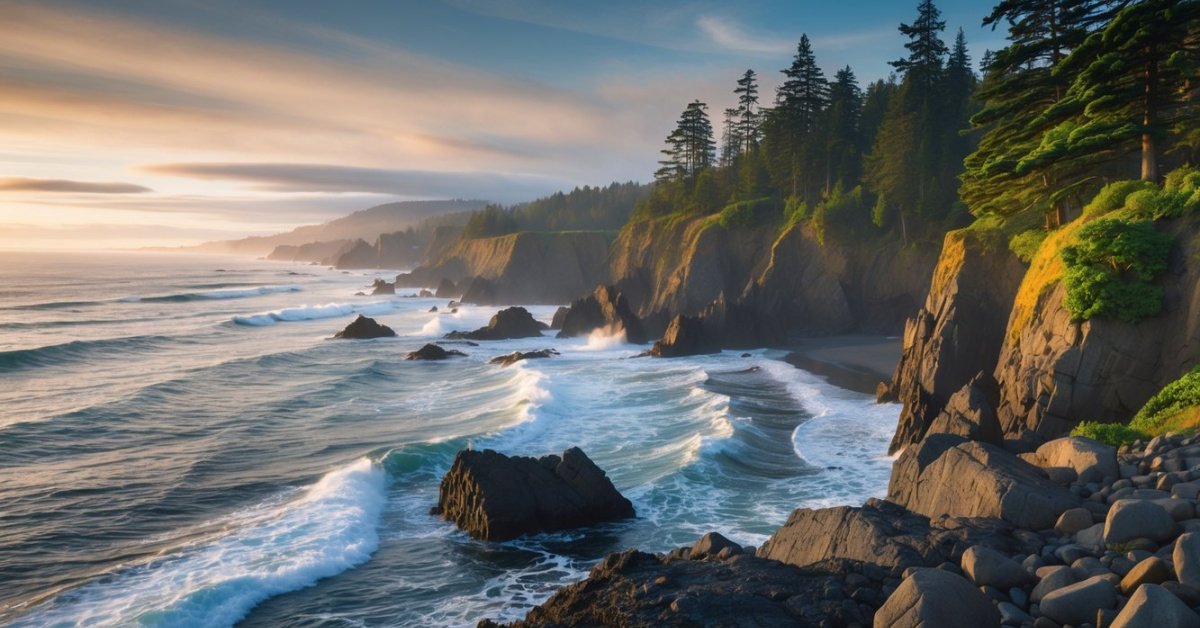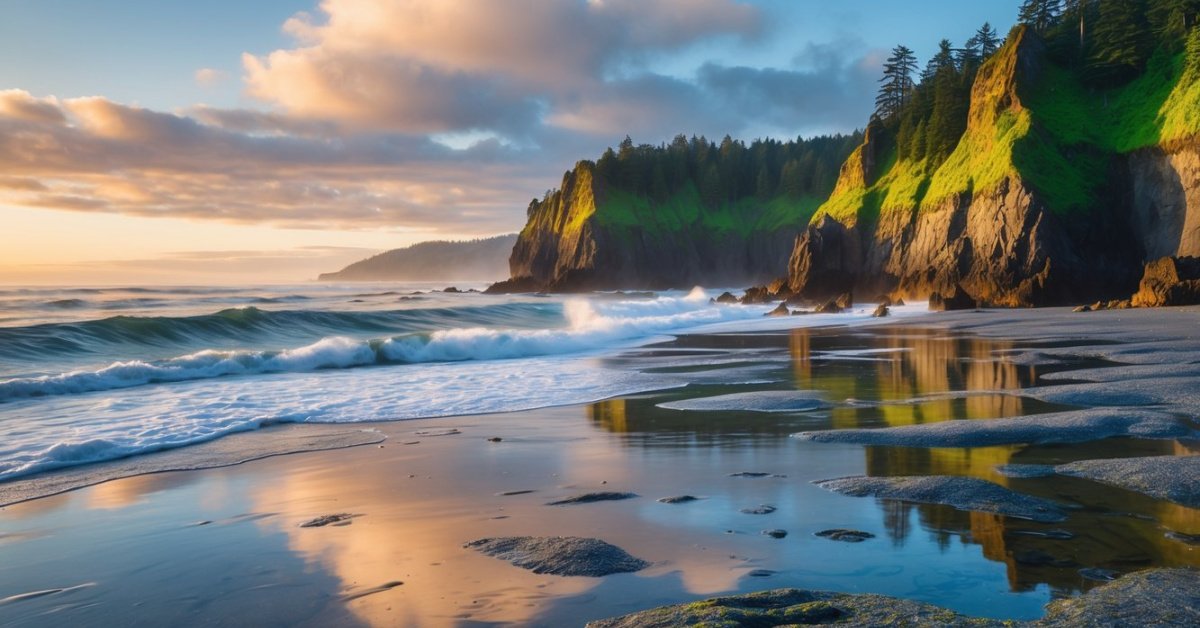
There’s something magical about standing on Oregon’s rugged coastline and spotting a lighthouse perched on a cliff. Each one has its own story and charm and I can’t help but feel drawn to their beacons shining through the mist. Oregon’s lighthouses aren’t just historic landmarks—they’re living reminders of adventure and resilience.
As I set out to explore these coastal guardians I find myself eager to share the beauty and history that make them so special. Whether you’re a lighthouse enthusiast or just looking for a scenic road trip Oregon’s coast promises unforgettable views and fascinating stops along the way.
The Allure of Oregon’s Lighthouses
Oregon’s lighthouses blend rugged coastal landscapes with stories of maritime history. I’ve visited each along the shoreline, from the windswept cliffs at Cape Blanco to the remote beach near Tillamook Rock. Every site offers a different perspective on the connection between ocean and land.
Historic towers stand against churning Pacific waves. For example, Heceta Head has operated since 1894 and Cape Meares still overlooks the sea on a forested bluff. Official documents from Oregon Parks and Recreation confirm these lighthouses were essential for navigation and trade when shipping lanes first opened along this coast in the late nineteenth century.
Panoramic views and wildlife encounters make each spot memorable. At Yaquina Head, harbor seals and migrating gray whales appear often, while Coquille River Lighthouse marks a sandy spit dotted with shorebirds. Informational displays onsite help visitors understand how keepers once lived and worked in isolated conditions, maintaining the beacon’s role as a vital warning system.
Local communities keep these beacons relevant today. Volunteers lead tours at places like Umpqua River Lighthouse, sharing tales of rescues and shipwrecks. Annual events, such as the Florence Rhododendron Festival, include lighthouse celebrations that showcase coastal traditions.
Access ranges from roadside viewpoints to trails through Sitka spruce forests. Along my travels, I’ve learned the best times for sunrises at Cape Arago or storm watching at Yaquina Bay. Weather and tides change each visit, which adds to the sense of discovery unique to Oregon’s lighthouses.
Historic Beacons Along the Coast
These lighthouses form a living timeline along Oregon’s coast. I’ve visited each one, and every stop reveals stories and scenery unique to Oregon’s maritime legacy.
Northern Coast Highlights
Northern Oregon’s lighthouses span dramatic headlands and wild surf.
- Tillamook Rock Lighthouse: This rugged tower, perched on a basalt outcrop near Seaside, earned the nickname “Terrible Tilly.” It operated from 1881 to 1957. Storms constantly battered it, and I’ve always admired its isolated silhouette from Ecola State Park.
- Cape Meares Lighthouse: Built in 1890, this is Oregon’s shortest lighthouse at just 38 feet tall. Its compact size surprised me, but it offers broad ocean views. Look for migrating gray whales here from January to April.
- Columbia River Maritime Museum connection: While not a lighthouse, I always suggest this Astoria museum for its detailed exhibits on the area’s navigation history and shipwrecks.
Central Coast Marvels
Central Oregon’s coastline holds some of the state’s most photographed beacons.
- Yaquina Head Lighthouse: At 93 feet, it’s Oregon’s tallest lighthouse, built in 1873. I’ve watched harbor seals and sea birds cluster around its rocky point, and interpretive staff share great stories about lighthouse technology and daily life.
- Yaquina Bay Lighthouse: This wooden lighthouse (circa 1871), only open for three years, sits above Newport’s harbor. Volunteers run tours, and I love pointing out its original Fresnel lens—a rare survivor.
- Heceta Head Lighthouse: This gleaming white beacon, dating to 1894, commands a 205-foot cliff near Florence. I’ve hiked up through Sitka spruce forest for a closer look; the B&B beside the old keeper’s house makes a unique overnight option.
Southern Coast Gems
Southern Oregon offers fewer lighthouses, but each delivers true solitude and rich history.
- Cape Blanco Lighthouse: Oregon’s oldest standing lighthouse, finished in 1870, sits on the state’s westernmost point. I always feel the wind strongest here, and docents recount tales from over 150 years of guiding vessels.
- Coquille River Lighthouse: Located at Bandon’s jetty, this squat, stolid lighthouse (built 1896) guarded river traffic. Sunset lights up the sand dunes behind it, which I never miss when touring the area.
- Cape Arago Lighthouse: Although closed to public access since 2006, I find viewing spots west of Charleston that still frame its lonely tower offshore. Signs along Cape Arago Highway share its shipwreck legends.
Visiting Oregon’s Lighthouses: What to Know
Exploring Oregon’s lighthouses lets me share real local tips rooted in years of living and traveling up and down the coast. I watch the seasons and know what visitors can expect at each historic beacon.
Best Times to Visit
Spring and early summer bring greenery and wildflowers to lighthouse trails, with relatively fewer crowds—places like Heceta Head stand out then. Fall treats me to crisp air, storm watching, and golden sunsets at Coquille River Lighthouse. Winter storms often roll in fast, which I’ve found creates dramatic wave displays, especially at Yaquina Head. Summer afternoons see more travelers, but early mornings or weekdays still offer quieter moments by the ocean cliffs. Migrating whales pass by Cape Meares and Yaquina Head from December to May.
Accessibility and Guided Tours
Most lighthouse grounds let me enjoy panoramic coastal views even if the towers aren’t always open. Locations like Cape Meares and Yaquina Head have paved trails and accessible viewpoints for visitors of all abilities. Volunteers—many of whom I know personally—lead seasonal tours inside lighthouses such as Heceta Head and the historic Yaquina Bay site. Advanced reservations help during popular weekends, so I always check official sites before visiting. Some, like Cape Arago, remain closed to the public, but waysides and overlooks nearby provide excellent photo spots. Every site shares unique interpretive displays, letting visitors experience Oregon’s lighthouse heritage, rain or shine.
Scenic Drives and Nearby Attractions
Highway 101, running the full Oregon coast, links nearly every lighthouse with dramatic headlands and hidden coves. When I drive from Astoria to Brookings, I pass Ecola State Park near Cannon Beach, where forested trails drop to sea stacks and tide pools teeming with anemones and starfish. South of Tillamook, the Three Capes Scenic Loop lets me detour along winding routes past Cape Meares, Cape Lookout and Cape Kiwanda—each capped with panoramic vistas and short hiking options.
My favorite detour near Newport is Otter Crest Loop, where the Devil’s Punchbowl churns below and gray whales surface offshore in winter and spring. Lincoln City, about 25 miles north, holds the Finders Keepers glass float hunt from mid-October through Memorial Day, drawing beachcombers searching for colorful hand-blown art. I always stop at the Newport Historic Bayfront for Dungeness crab from the dock and sea lion watching along the marina.
Heading south, Cape Perpetua Scenic Area sits just south of Yachats. Trails here lead me to tide pools, the bubbling Thor’s Well and Spouting Horn, plus old-growth Sitka spruce forests with coastal overlook picnic spots. The Hobbit Trail, two miles north, takes me through moss-draped tunnels to a hidden cove, while Heceta Head Light’s keeper’s house offers bed-and-breakfast stays if I’m planning a longer layover.
Florescent wildflowers line the pullouts at Bandon’s Face Rock State Scenic Viewpoint in late spring, and I watch wind-carved stacks rise out of the receding tide below. In Port Orford, Battle Rock Park gives me a taste of Gold Rush-era history and cliffside trails that look out to the Cape Blanco Lighthouse. I always recommend the nearby Prehistoric Gardens—mid-century dinosaur sculptures emerge from lush coastal rainforest, charming kids and adults equally.
I use the table below to highlight distances and attractions between major lighthouse stops for easy trip planning:
| Start Point | End Point | Distance (miles) | Notable Attraction(s) |
|---|---|---|---|
| Astoria | Cape Meares | 75 | Ecola State Park, Cannon Beach |
| Cape Meares | Yaquina Head | 84 | Three Capes Loop, Lincoln City |
| Yaquina Head | Heceta Head | 49 | Cape Perpetua, Yachats |
| Heceta Head | Cape Blanco | 106 | Bandon, Face Rock Viewpoint |
| Cape Blanco | Brookings | 81 | Prehistoric Gardens, Port Orford |
When I’m sharing Oregon’s lighthouses, I include the best beach walks, quirky museums and cozy seafood shacks along the way. Many towns, like Florence and Newport, host annual festivals tied to traditions of the sea—adding local flavor right near each historic beacon.
Photography Tips for Lighthouse Enthusiasts
Planning gear for Oregon’s lighthouses rewards the prepared. I always bring a weather-sealed camera, a wide-angle lens (14mm–24mm), and a sturdy tripod. Fog and salt spray are common, so lens wipes and microfiber cloths are essentials for me.
Timing shots along the coast makes a big difference. Early mornings deliver softer light and fewer crowds at locations like Cape Meares or Heceta Head. Evenings near Cape Blanco or Coquille River produce sunsets with dramatic colors when the sky’s clear. Stormy days at Yaquina Head or Tillamook Rock create striking wave action and moody skies—my favorite settings for high-contrast photographs.
Angles highlight architectural details. I use low ground angles at Yaquina Bay Lighthouse to emphasize its compact frame, while shooting from trails allows me to frame Cape Meares against Sitka spruce silhouettes. If I want more context, panoramic views from adjacent bluffs, like those near Cape Arago, combine lighthouse towers with sweeping headlands.
Wildlife adds depth to compositions. Harbor seals near the base of Yaquina Head or migrating whales visible from Heceta Head create dynamic foregrounds. Gulls perched atop Cape Meares or wind-bent pines at Cape Blanco offer strong points of interest in any image.
Lighting and weather conditions on Oregon’s coast change quickly. I keep rain covers ready and use neutral density filters for long exposures, especially to smooth out waves below rocky headlands around dusk. I track forecasts for fog breaks or post-rain clearing to catch lighthouses emerging through morning mist.
Respecting access rules ensures safe, enjoyable shooting. Many lighthouses, such as Cape Arago, are closed to the public, but nearby overlooks allow for full-frame shots without trespassing. Paved trails and observation decks at others, like Heceta Head and Yaquina Head, provide excellent, accessible perspectives.
Maintenance of camera gear is ongoing. I rinse tripod legs in fresh water after saltwater exposure and store lens equipment in dry bags while hiking between sites. These routines help my equipment last season after season as I revisit Oregon’s changing seascapes.
Conclusion
Every time I visit Oregon’s lighthouses I’m reminded just how magical the coast can be. There’s something special about standing on a windswept bluff or quiet beach and feeling connected to the stories these towers have witnessed over the years.
Whether you’re chasing stormy skies or golden sunsets you’ll find each lighthouse has its own personality and charm. I hope my experiences inspire you to set out on your own coastal adventure and discover the beauty and history waiting along Oregon’s shoreline.