
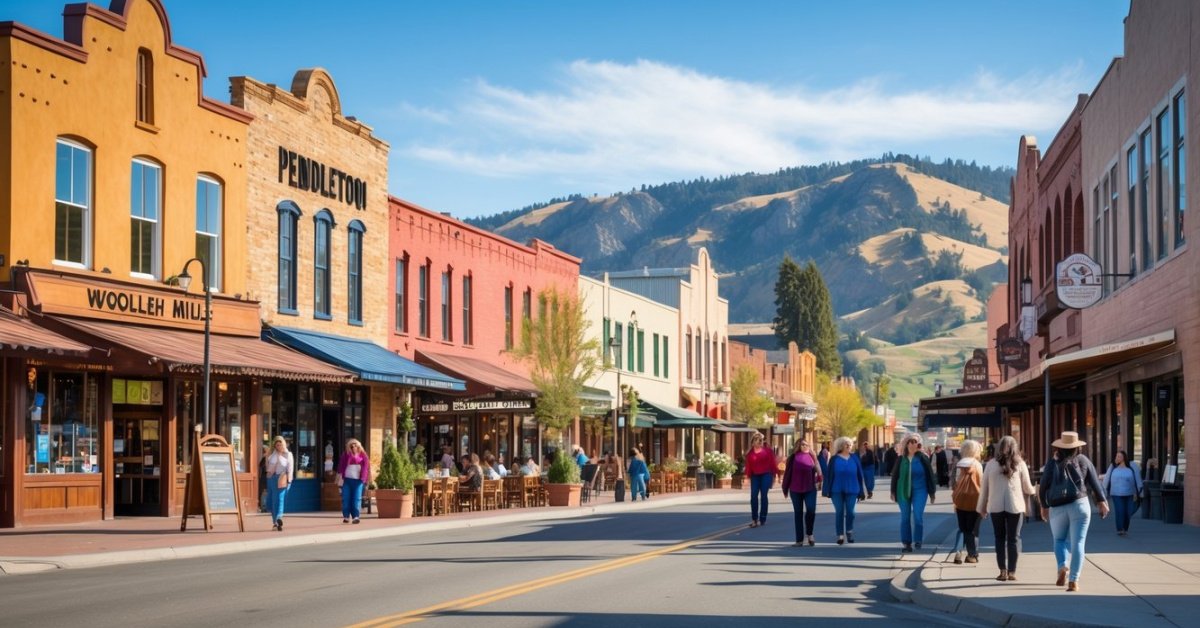
When I think about Oregon, lush forests, wild rivers, and rugged coastlines instantly come to mind. This natural beauty isn’t just luck—it’s the result of decades of passionate activism and forward-thinking policies. Oregon’s environmental movement has shaped not only the landscape but also the way people live and work here.
I’ve always admired how Oregonians rally together to protect what matters most. From landmark land-use laws to clean energy initiatives, the state’s commitment to the environment is woven into everyday life. Exploring these key policies reveals how Oregon became a leader in sustainability and why its story continues to inspire.
Overview of Oregon’s Environmental Movement
I’ve seen Oregon’s environmental movement shape landscapes, city planning, and local culture for decades. Statewide activism took off in the 1960s when Oregonians united against pollution in the Willamette River and rampant clear-cutting in coastal forests. By the early 1970s, leaders crafted the Oregon Bottle Bill, the first container deposit law in the US, as a direct response to increasing roadside litter. That single policy made a practical difference in daily life, pushing recycling rates higher than the national average year after year.
Grassroots campaigns pushed for policies that protected old-growth forests, guided salmon restoration, and safeguarded public access to beaches. Strong coalitions of ranchers, tribes, foresters, and city dwellers came together to influence landmark land-use laws in 1973. Land conservation, open spaces, and urban growth boundaries tightly connect communities to Oregon’s wild beauty—whether you live in Portland or Burns.
Oregon’s environmental movement continually adapts. Local groups lobby for action on climate change, and cities now commit to 100% clean energy. Community-driven restoration projects—from Portland’s Johnson Creek to eastern Oregon’s high desert streams—demonstrate widespread participation. These efforts inspire me every time I travel the state. Insiders know Oregon’s clean rivers, protected trails, and thriving urban green spaces don’t just happen. Oregon’s movement is the result of generations of persistent action, compromise, and a shared vision for future stewardship.
Historical Milestones in Oregon’s Environmental Advocacy
Landmark Land-Use Planning
Senate Bill 100 in 1973 established Oregon’s unique statewide land-use system. I see how this law requires cities, counties, and the state to adopt land-use plans that protect farms, forests, and natural resources. Tenets like urban growth boundaries, now visible in places like Portland, set a model for communities nationwide.
Oregon Bottle Bill
Passed in 1971, the Oregon Bottle Bill introduced the nation’s first mandatory bottle deposit program. I notice my neighbors frequently returning bottles and cans for refunds, and this law’s reduced roadside litter and boosted recycling rates for glass and aluminum (example: targeted containers include soda, beer, and water bottles). Agencies such as the Oregon Department of Environmental Quality track program effectiveness.
Beaches Made Public
The 1967 Oregon Beach Bill guarantees public access to all 362 miles of Oregon’s ocean shoreline. Every summer, I meet visitors enjoying beaches like Cannon Beach and Cape Kiwanda, thanks to protection from private ownership that started with Governor Tom McCall’s advocacy.
Old-Growth Forest Protections
Court battles and activism in the 1980s and 1990s led to the Northwest Forest Plan and new wilderness designations. Friends who work in ecology cite campaigns in ancient forests like Opal Creek, where local coalitions halted logging and preserved habitat for native species including spotted owls and salmon.
Waterway Restoration
The 1996 Ballot Measure 66, known as the Oregon Salmon and Trout Enhancement Program (STEP), increased funding and citizen engagement for stream restoration. Volunteers, including me, join local watershed councils to monitor river health and restore fish runs in rivers such as the John Day and the Rogue.
Urban Green Spaces
Portland voters passed bond measures in 1995 and 2006 funding development and preservation of parks, trails, and natural areas. I regularly walk Forest Park and Springwater Corridor, both created and sustained by community investment in accessible green space.
Climate Initiatives
In 2007, Oregon adopted the Renewable Portfolio Standard, which I tracked as it mandated utilities increase renewable energy use, with targets such as 50% renewable energy for large utilities by 2040. Cities such as Eugene and Bend now commit to 100% clean energy goals.
My experience living across the state has shown me how these milestones shape daily life in Oregon, through protected public spaces, wildlife habitat, and thriving communities built on long-standing advocacy.
Landmark Environmental Policies in Oregon
Oregon’s environmental movement has left a clear mark through lasting laws and initiatives. I’ve watched these efforts protect landscapes and shape daily life across cities and rural communities.
The Bottle Bill
Oregon’s Bottle Bill passed in 1971 and became the first of its kind in the US. I see its impact every day—bottle deposits cut litter along highways, parks, and rivers in Portland, Eugene, and Medford. The state raised the deposit to $0.10 in 2017, and redemption rates climbed past 80% soon after (Oregon DEQ). Recycling centers in Salem, Bend, and other towns thrive thanks to the bill’s steady returns.
Land Use Planning (SB 100)
Senate Bill 100, adopted in 1973, transformed how Oregon manages open space. I know from direct experience that the law requires every city and county, from Portland to Pendleton, to create comprehensive land-use plans. These plans restrict suburban sprawl and protect farmland around places like the Willamette Valley. I often see how “urban growth boundaries” keep forests and fields intact while guiding city expansion.
Renewable Energy Initiatives
Oregon’s push for renewables runs deep. The Renewable Portfolio Standard passed in 2007, setting a target of 50% clean electricity by 2040 (Oregon Department of Energy). Utilities in Ashland, Eugene, and along the Columbia Gorge invested early in wind, solar, and hydro. I’ve noticed more rooftop solar and electric charging stations in towns all over the state. Local leaders in communities like Hillsboro and Corvallis back projects that push Oregon toward a cleaner grid every year.
Key Organizations and Grassroots Efforts
I’ve watched Oregon’s environmental movement thrive because of the dedication from both long-standing groups and local community campaigns. These organizations and efforts shape policy, protect landscapes, and drive daily action.
- Oregon Environmental Council (OEC)
I trust OEC for advocating science-based policies that reduce pollution and preserve natural resources. Their influence appears in statewide recycling, clean air initiatives, and toxics reduction campaigns.
- 1000 Friends of Oregon
I rely on 1000 Friends to defend the state’s land-use laws. Their impact extends from shaping urban growth boundaries in Portland to stopping subdivisions in the Willamette Valley.
- Oregon Wild
I see Oregon Wild lead efforts to protect forests, rivers, and wildlife habitats. Example successes include safeguarding parts of the Mount Hood and Crater Lake regions.
- The Freshwater Trust
I note that The Freshwater Trust uses data-driven restoration to improve rivers and fish habitat, especially in the Willamette and John Day basins.
- Surfrider Foundation (Oregon Chapters)
I join other locals for Surfrider’s beach cleanups and water quality monitoring. These chapters help keep Oregon’s public coastline healthy and accessible.
- Grassroots Campaigns and Coalitions
I’ve joined in grassroots networks like Friends of Trees and SOLVE for local restoration work, litter pickups, and urban greenspace protection. Volunteer-led projects restore watersheds like Johnson Creek and Riverview Natural Area in Portland.
- Youth and Community-Led Initiatives
I see my neighbors and young Oregonians active in Sunrise Movement chapters, local climate strikes, and school garden programs. These efforts connect new generations with conservation.
Each of these groups and grassroots efforts creates spaces for Oregonians like me to put stewardship into action, from major forest protections to block-by-block restoration days.
Impact of Environmental Policies on Oregon’s Landscape
Land-use protections shape daily life in every county. I see forest buffers around Portland, farmland preserved near Salem, and distinct urban boundaries fueling central Eugene’s vibrancy. Senate Bill 100 draws clear lines between development and open space, so hiking trails around Corvallis and vineyards outside McMinnville stay unspoiled.
Clean energy initiatives alter skylines and utilities for locals. Solar panels power homes in Bend, wind farms dot the Columbia Gorge, and hydropower supplies renewables for much of Western Oregon. These projects—required by the Renewable Portfolio Standard—cut emissions and create new jobs, like wind turbine technicians and restoration specialists.
Recycling and deposit laws turn everyday habits into conservation wins. I notice bottle return stations at nearly every grocery store from Medford to Astoria. The Oregon Bottle Bill drives the state’s container redemption rate to over 82%, according to the Oregon Department of Environmental Quality (2023).
Public beach access provided by the 1967 Beach Bill increases tourism and residents’ quality of life. Families enjoy stretches of sand from Cannon Beach through Florence, with every shoreline open for public recreation and protected from private encroachment.
Habitat conservation secures thriving streams, fish runs, and wildlife crossings. Old-growth forests remain in the Cascades, salmon return each year to rivers restored by STEP, and greenways provide corridors for native wildlife right in city neighborhoods. Portland’s Forest Park and Eugene’s Ridgeline Trail showcase these ongoing benefits within urban life.
Community efforts reinforce stewardship and visibility. Friends organize river cleanups in Hood River, native plantings in Beaverton parks, and beach sweeps on the southern coast, making local impacts visible everywhere I go.
Environmental Policies and Tangible Landscape Changes
| Policy | Tangible Change | Example Areas |
|---|---|---|
| Senate Bill 100 (Land-Use) | Preserved open space, limited sprawl | Portland Metro, Willamette Valley |
| Renewable Portfolio Standard | Rise in renewables, cleaner grid, new green jobs | Columbia Gorge, Central Oregon |
| Oregon Bottle Bill | Cleaner communities, high recycling rates | Statewide |
| Oregon Beach Bill | Fully public beach access, enhanced recreation | Entire Oregon Coast |
| Northwest Forest Plan & STEP | Protected forests, revived salmon runs, healthier watersheds | Cascades, Rogue River, Umpqua |
| Urban Green Space Initiatives | Parks, bike paths, wildlife corridors in cities | Portland, Eugene, Bend |
These policy-driven changes shape both the background of my daily exploration and the experiences I share with visitors throughout Oregon.
Ongoing Challenges and Future Perspectives
Environmental threats keep Oregon’s movement urgent and evolving. I see wildfire seasons grow longer and more intense, especially in eastern and southern forests. Drought pressures rivers like the Deschutes and Klamath, impacting salmon runs and farming communities. Urban development encroaches on farmland and natural habitats around growing cities like Portland and Bend. Statewide, climate change multiplies these obstacles, adding uncertainty to weather patterns, snowpack, and native species’ survival.
Land-use plans face challenges from population growth, real estate pressure, and industry. In the Willamette Valley, I notice farmland conversation debates and controversy over urban growth boundaries. Rural communities sometimes cite frustration with regulatory restrictions and economic constraints.
Oregon continues to set ambitious environmental targets, yet meeting climate goals demands new investments and creative policies. Clean energy adoption needs upgrades to the electrical grid, as I’ve learned from local leaders in Lane and Deschutes counties. Transportation remains Oregon’s largest source of carbon emissions. Expanding transit options in Portland and developing electric vehicle infrastructure statewide are a priority.
Collaboration leads the way for solutions. Local tribes advocate for river restoration and fish passage, while community groups mobilize for climate resilience in wildfire-prone regions. State agencies experiment with incentives for sustainable forestry, water conservation, and urban greening. Universities and nonprofits test new restoration techniques on salmon streams, and residents like me join neighborhood cleanups and citizen science.
If Oregonians sustain these partnerships, strengthen the state’s legacy of environmental innovation, and balance growth with ecological health, continued progress remains possible amid changing conditions.
Conclusion
Reflecting on Oregon’s environmental journey I feel inspired by the way people here come together to protect what we love. Every trail I hike and every park I visit reminds me that these places exist because of ongoing dedication and bold policy choices.
While challenges remain I believe that our collective spirit and willingness to innovate will keep Oregon at the forefront of environmental stewardship. There’s still work to do but I’m hopeful that with continued collaboration we’ll preserve these natural treasures for generations to come.


