There’s something magical about wandering through a place where time seems to have stopped. Every creaking board and weathered sign in Oregon’s ghost towns tells a story of gold rush dreams and communities that once thrived. I can’t help but imagine the laughter and bustle that filled these streets so many years ago.
Exploring these forgotten towns feels like stepping right into a living history book. I love how each empty storefront and abandoned schoolhouse invites me to piece together the past. If you’re like me and crave a little adventure mixed with mystery Oregon’s ghost towns are waiting to be discovered.
Exploring Oregon’s Ghost Towns: Visiting the Past
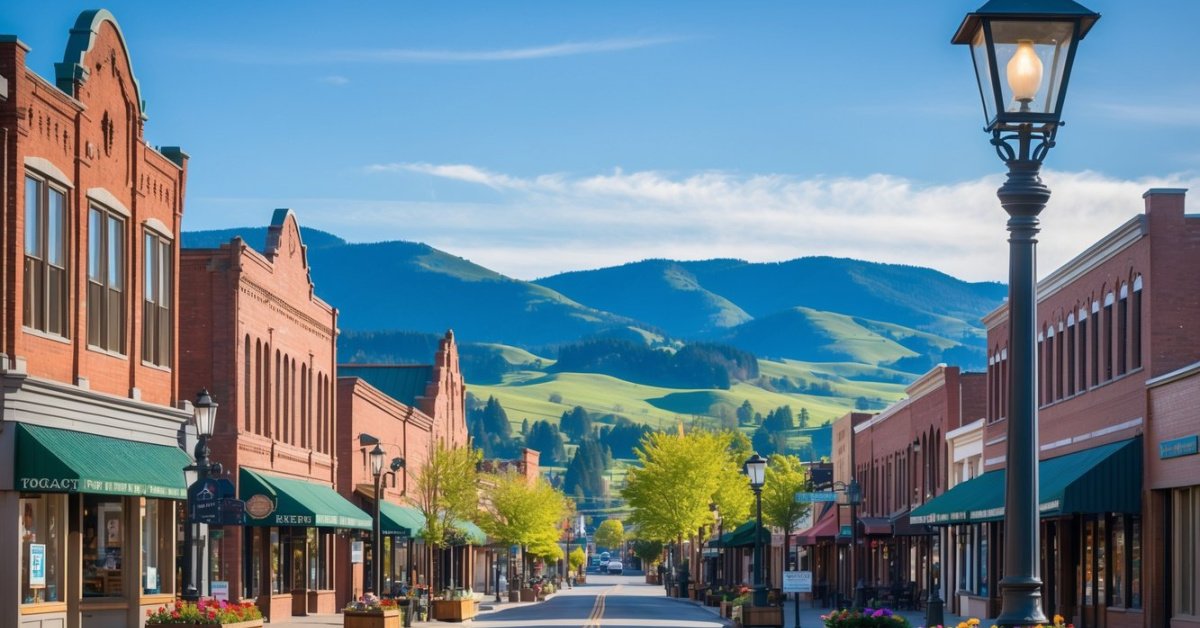
Walking through Oregon’s ghost towns, I spot crumbling saloons, silent schoolhouses, and rusted mining equipment—visible markers of lives once built on hopeful dreams. In fields near Shaniko, rows of dusty storefronts remain, their paint faded from years of high desert wind. In Sumpter, stacks of bricks and empty lots line what was Main Street, where gold rush prospectors gathered in the early 1900s.
Photographers and history enthusiasts find plenty to capture at sites like Granite and Golden, two towns that sprang up when miners struck paydirt but emptied fast when fortunes faded. Granite’s scattered logging cabins frame a forest, while Golden’s abandoned church and post office sit beside Whispering Pines Road. I’ve seen preservationists and local families leave handmade signs, explaining these towns’ histories alongside stories they’ve learned from their ancestors.
Each ghost town in Oregon holds distinct connections to logging, mining, or railroad booms that defined entire communities. At Cornucopia, remnants of gold processing mills still stand, while rusted rail ties snake through the sagebrush in Friend. Local legends linger in every hollowed home—people around these sites share tales about lost fortunes and the celebrations that once echoed down silent streets.
Some towns, like Flora in Wallowa County, hold annual events to honor their heritage. Visitors join me each summer to walk through nearly intact schoolhouses and listen to longtime residents share memories etched into the town’s old wooden fences. Spending time in these places gives me insight into Oregon’s culture—layers of ambition, resilience, and mystery waiting just off the main highway.
The History Behind Oregon’s Ghost Towns
Oregon’s ghost towns tell stories shaped by gold, timber, and early ambition. I’ve spent years walking their streets, piecing together moments that changed these settlements forever.
Gold Rush Origins and Boomtowns
Settlers from the East and California rushed into Oregon by 1861, drawn by gold discoveries in places like Canyon City and Auburn. Mining camps quickly grew into towns with banks, saloons, and post offices. At their peak, Auburn counted more than 6,000 residents—a figure larger than many frontier cities at the time. By 1900, towns like Sumpter thrived on both gold production and powerful railroads that fueled commerce. I often spot stamp mills and flumes reused as museum pieces or timeless landmarks in these towns, marking the scale of their early success.
Decline and Abandonment
Once the gold veins thinned and timber demand shifted, population numbers dropped almost overnight. The introduction of large mining companies made survival tough for independent prospectors in areas such as Granite and Greenhorn. By the 1920s, families abandoned storefronts, churches, and schools, leaving just a handful of locals or none at all. I notice school rosters from places like Shaniko dropping from hundreds of children in 1910 to single digits just one generation later. Harsh winters and limited supplies finished off most remaining residents. Today, the abandoned structures stand as silent reminders of fleeting prosperity, drawing visitors who value authentic glimpses of Oregon’s dynamic past.
Notable Ghost Towns to Visit in Oregon
Some ghost towns in Oregon offer a unique glimpse into the state’s rugged past. As someone who’s wandered through these forgotten places myself, I find each one tells its own story with every boarded window and faded sign.
Shaniko
Shaniko stands on the high desert, known locally as the “Wool Capital of the World” in the early 1900s. I’ve walked its empty streets and peeked into old storefronts still displaying canned goods from a different era. The Shaniko Hotel, bank building, and weathered jail draw in photographers and filmmakers seasonally. Locals sometimes run wagon rides in summer, sharing stories about the town’s railroad boom and sharp decline.
Sumpter
Sumpter nestles in the foothills of the Blue Mountains and centers around gold mining history. I’ve climbed aboard the historic Sumpter Valley Railroad, which operates during festivals and major holiday weekends. The Sumpter Dredge, a massive gold-mining machine, anchors the state park and brings in folks who want to see industrial ingenuity up close. Relics like the original city hall and brick general store stand nearby, with antique shops and cafes run by descendants of the area’s first settlers.
Granite
Granite sits at nearly 4,700 feet, surrounded by dense forest and crisp mountain air. When I last visited, only a handful of year-round residents kept Granite’s legacy alive. They maintain the 1900s stone school, mining headquarters, and wood-plank sidewalks. Winter snows can close the only road in and out, but in summer the restored cabins and interpretive signs make it easy to picture the gold rush families who settled here.
Golden
Golden differs from many ghost towns because it never had a saloon—this place saw churches outnumbering businesses. The cluster of preserved buildings, including a church, post office, and schoolhouse, stand among trees by Wolf Creek. I’ve met volunteers who keep the grounds tidy and share tales about the town’s strict founders and the mining claims that made Golden briefly prosperous. Restoration efforts mean you can walk through many structures and run your hand over the same pews and railings as early settlers did.
What to Expect When Visiting
Visiting Oregon’s ghost towns always connects me to my home state’s rugged history. Every trip uncovers new details, whether I’m standing in dusty streets or talking with locals who still keep these stories alive.
Preserved Buildings and Landmarks
Preserved buildings and landmarks give each ghost town its own character. In Shaniko, I see the original Shaniko Hotel, an icon with weathered siding and creaky porches. Sumpter’s massive gold dredge stretches across the landscape, with interpretive signs offering nuggets of Gold Rush history. Granite’s wooden storefronts, though often boarded-up, display signs made by residents who know every anecdote. In Golden, preserved structures like the church tell stories of strict founders—still holding their steady silence after 100 years. Historic cemeteries, rusted mining tools, and faded schoolhouses stand as textured reminders, with every crack and splinter holding a piece of the past.
Guided Tours and Self-Guided Exploration
Guided tours and self-guided routes open different ways to discover these towns. In Sumpter, historical society members offer tours of the dredge and railroad, sharing facts other visitors often miss. Annual events, like Flora’s heritage day in July, invite everyone to join in demonstrations, reenactments, and local storytelling. For spontaneous visits, self-guided exploration works best—almost every town I visit has interpretive signs, and locals in places like Granite enjoy sharing insights if I stop for a chat. Detailed walking maps are sometimes available at town entrances or general stores. Quiet weekdays let me explore at my own pace, noticing details like miner’s etchings or faded business ledgers still on old counters. Each visit brings something new, shaped by how much I want to wander and who I meet along the way.
Tips for a Memorable Ghost Town Experience
I’ve spent years exploring Oregon’s ghost towns and picked up a few essentials for making each visit stand out. Knowing when to go and how to respect these historic sites changes the experience.
Best Times to Visit
Spring and early fall offer the best balance for exploring Oregon’s ghost towns. I find May, June, September, and early October provide mild weather, fewer crowds, and clear roads. Heavy winter snow keeps places like Granite and Sumpter hard to reach, while mid-summer heat dries up creeks and brings more visitors, especially in Shaniko and Golden. Mornings or early evenings add soft light, perfect for photos of old storefronts and weathered mining gear.
Safety and Preservation Etiquette
I always watch my step. Many buildings have unstable floors, exposed nails, or fragile roofs, especially in towns like Granite. Closed-off structures often mean real hazards, so I never cross posted boundaries. I leave historic items where I find them—removing artifacts erases their connection to Oregon’s story. I use marked trails, avoid damaging fences, and follow posted guidelines from local volunteers or historical groups, like in Golden or Flora. By staying mindful, I help preserve each ghost town for the next curious explorer wandering past a hand-painted sign or rusty wagon wheel.
Why Oregon’s Ghost Towns Capture the Imagination
Authentic stories live in Oregon’s ghost towns. Every abandoned general store, faded church, and boarded-up cabin in places like Shaniko or Granite feels connected to real pioneers and miners who once called this land home. I’ve explored towns where hand-painted signs tell tales of fortunes found and lost or share strange events that shaped a community’s fate. These firsthand glimpses give visitors, especially those curious about Oregon’s roots, a direct link to the state’s early ambitions and hardships.
Dramatic contrasts between past and present draw people in. In Sumpter, I’ve walked streets that once bustled with gold rush excitement but now echo only my footsteps. Standing alone near rusted mining equipment or inside a deserted schoolhouse, I picture scenes from the 1890s with crowds and commotion. Even quiet towns like Golden inspire questions about what daily life looked like without saloons but with thriving churches and schools.
Atmospherical landscapes add a layer of fascination. Oregon’s high desert light falls across weathered buildings, while forests reclaim edges of towns like Granite. In spring, wildflowers bloom beside collapsed wagons, and in autumn, thick fog drapes foundations in mystery. I find that many people I meet—photographers, artists, or writers—seek the visual drama of these settings, looking for inspiration tied closely to the unique stories these towns offer.
Preservation and community pride amplify the sense of discovery. Annual events in towns like Flora, stewardship by local historians, and the volunteer-run museums in places such as Sumpter show that these towns aren’t merely abandoned—they’re curated legacies. Every time I meet a resident who recounts a family legend or uncovers a new relic from the soil, I’m reminded that the past remains alive and open for exploration here.
I see Oregon’s ghost towns as time capsules, each with layers waiting to be uncovered. Whether it’s a dusty ledger in a locked post office or a story told over a campfire, these towns fuel imagination because they bridge gaps between Oregon’s rugged history and the curiosity of those who wander through today.
Conclusion
Every visit to Oregon’s ghost towns feels like opening a well-worn storybook where each page reveals something new. Wandering these forgotten streets always sparks my curiosity and reminds me how quickly fortunes can rise and fall.
There’s a quiet magic in standing where pioneers once dreamed and worked. I always leave with a deeper appreciation for the people who shaped these places and the communities working hard to keep their stories alive.
If you ever find yourself craving a bit of adventure and a glimpse into the past, these towns are waiting to share their secrets.