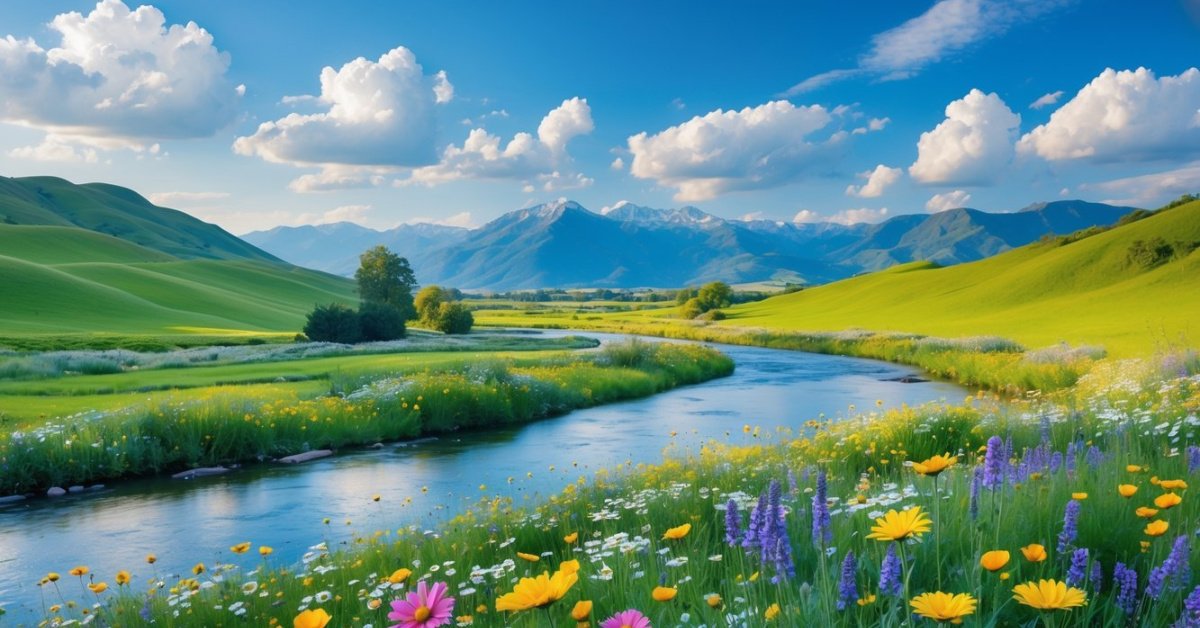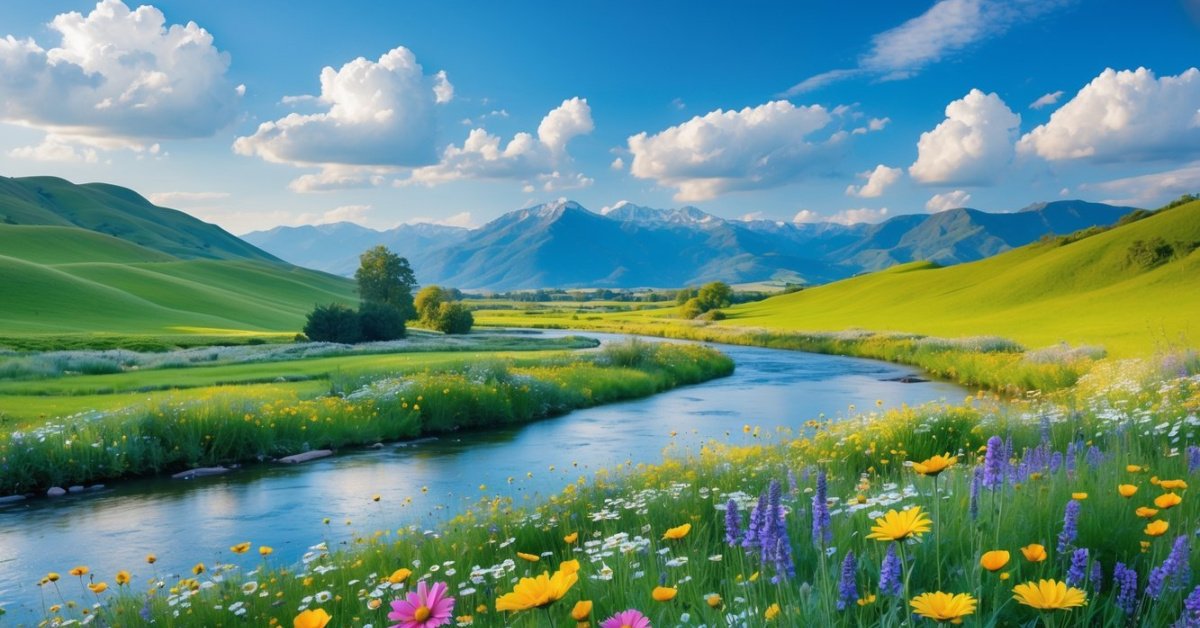
Every spring I find myself eagerly awaiting that magical moment when Oregon’s wildflowers burst into bloom. There’s nothing like wandering through fields painted with vibrant colors and breathing in the fresh scent of new growth. It’s my favorite way to shake off the winter blues and reconnect with the outdoors.
Oregon’s landscapes are full of hidden gems that come alive with wildflowers this time of year. Whether I’m hiking along a mountain trail or strolling through a quiet meadow I always discover something new. If you’re hoping to catch the best blooms this spring I’ve got some favorite spots you won’t want to miss.
Best Time to See Spring Wildflowers in Oregon
Peak bloom for spring wildflowers in Oregon usually runs from late March through early June, depending on elevation and location. Lower elevation spots like the Columbia River Gorge, for example, start showing wildflowers as early as late March most years. Mid-elevation areas, such as the Willamette Valley prairies and oak savannas, tend to look best in April and May. For mountain meadows in the Cascades or eastern Oregon high deserts, bloom timing often shifts later, peaking mid-May through early June, especially when winter lingers.
Weather plays a huge role in bloom timing—warmer, early springs trigger blooms up to two weeks earlier than normal, while heavy snowpacks in places like Mount Hood delay everything by several weeks. I always check trail reports and recent trip photos from local groups before heading out. Popular spots like Rowena Crest, Tom McCall Preserve, and Silver Falls State Park each have different optimal windows, which sometimes overlap but often stagger through spring.
Wildflower diversity peaks when rain patterns are consistent. Early season brings yellow balsamroot and bright pink grass widows, while later weeks highlight lupine, larkspur, and paintbrush. I track bloom timing on the Oregon Wildflowers Forecast from regional botanists to maximize each trip.
Top Regions for Spring Wildflower Viewing
Some Oregon regions offer standout wildflower displays each spring. My local experience across these landscapes helps me pinpoint where brilliant blooms fill the fields, meadows, and hills.
Columbia River Gorge
This region bursts with color from late March to May. I find lupine, balsamroot, and paintbrush in dense patches along the Gorge’s windy trails. Tom McCall Preserve and Rowena Crest are reliable for early-season blooms. Mosier Plateau Trail delivers both wildflowers and sweeping river views. Wind Mountain and Catherine Creek also put on vivid shows if rainfall stays steady through spring.
Willamette Valley
Meadows and oak woodlands here peak in April and May. I see camas, Oregon iris, and buttercup filling fields around Mount Pisgah Arboretum and the William L. Finley National Wildlife Refuge. Bald Hill Natural Area in Corvallis and Baskett Slough National Wildlife Refuge host fawn lilies and checker-mallows. The valley’s lower elevation makes it one of the first places where I spot spring color.
Oregon Coast
Bluffs and headlands along the coast support coastal wildflowers like seaside daisies, sand-verbena, and yellow monkeyflower, which I find between April and June. Cascade Head and Cape Perpetua trails offer strong displays above the ocean. Fort Stevens State Park has accessible meadows for wildflower photography. Misty conditions by the beach can extend flower season into early summer.
Southern Oregon
Hiking between mid-April and early June brings me to wildflower carpets in places like Table Rocks near Medford and Grizzly Peak outside Ashland. Southern Oregon’s grasslands and oak savannas bloom with goldfields, blue-eyed Marys, and fairy lanterns. I head to Upper and Lower Table Rock after spring rains for the widest variety. The Rogue Valley’s unique mix of elevation and soil supports rare wildflowers not seen elsewhere in Oregon.
Notable Wildflower Trails and Parks
Each spring, I explore Oregon’s trails and parks to catch the wildflower peak in every region. These spots stand out for dense blooms, easy access, and epic scenery.
Rowena Crest and Tom McCall Preserve
Rowena Crest and Tom McCall Preserve showcase the Gorge’s wildflower diversity. Both spots burst with balsamroot and lupine from mid-April through May. Rowena Crest’s plateau gives wide views of golden blooms mixed with purple. At Tom McCall Preserve, I walk between meadows and basalt bluffs that hold rare species like Columbia desert parsley. Both locations restrict trail access to preserve the fragile landscape, so boardwalks and posted routes help keep the flowers undisturbed.
Mount Pisgah Arboretum
Mount Pisgah Arboretum offers a Willamette Valley wildflower walk just east of Eugene. I visit in late April to spot giant camas, Oregon iris, and trillium along the Meadow and Riverbank Trails. The 209-acre preserve bridges oak savannas and riparian forest, so flower species change every few weeks. The annual Wildflower & Music Festival each May draws crowds and local plant experts, which makes it easy to learn plant IDs or join a guided hike.
Silver Falls State Park
Silver Falls State Park’s waterfalls and forested canyons set the backdrop for spring wildflowers. I hike the Trail of Ten Falls to find fairy slippers, trillium, and fringecup tucked along mossy banks and edges of creeks. Late April to mid-May brings the richest flower displays in the canyon. The park maintains wide trails and interpretive signs, so every age can experience these blooms with little effort. Sea of camas and bleeding heart cluster in open clearings above the falls.
Cascade-Siskiyou National Monument
Cascade-Siskiyou National Monument hosts one of Oregon’s most wildflower-rich ecoregions. Mount Ashland’s meadows and Hobart Bluff’s high ridges bloom with paintbrush, larkspur, and mariposa lily from mid-May through June. I favor the Pilot Rock and Green Springs Mountain trails for sweeping panoramas across oak woodlands and rocky balds. Rare species, such as Gentner’s fritillary and Oregon sunshine, dot the monument’s variable soils and elevations, drawing botanists every spring.
Tips for Wildflower Viewing in Oregon
Plan dates based on bloom timing
I check local wildflower forecasts, like the Oregon Wildflowers app and ODOT road conditions, to match my visits with peak blooms. Lower elevations bloom as early as March, while higher elevations show color from late April into June.
Dress for unpredictable weather
I pack layers including a waterproof jacket, even in May, since spring weather here jumps from sun to showers with little warning. Waterproof hiking boots handle muddy trails across the Willamette Valley and Columbia Gorge.
Bring a wildflower identification guide
I carry the Oregon Wildflowers field guide and use the Oregon Flora Project’s digital tools to identify flowers such as balsamroot, lupine, and trillium when I’m out at Rowena Crest or Mount Pisgah.
Stay on designated trails
I always stick to marked trails to protect delicate meadows, especially in high-traffic spots like Tom McCall Preserve and Silver Falls. Stepping off path damages sensitive plant communities and encourages erosion.
Visit on weekdays or early mornings
I aim for weekday mornings to avoid crowds, especially at popular trailheads in the Gorge or Table Rocks. Fewer people means I can enjoy quiet scenery and get better wildflower photos.
Check for permits or fees
I check ahead for required recreation passes or day-use fees—sites like Silver Falls and Cascade Head have day fees, while Tom McCall Preserve parking needs a Washington Discover Pass if arriving from the northern side.
Pack essentials and take trash home
I always bring water, snacks, sun protection, and a camera. I leave wildflowers untouched and pack out everything I bring, helping keep places like Mount Pisgah and Grizzly Peak beautiful for everyone.
Conservation and Etiquette While Wildflower Viewing
Respecting wildflower habitats in Oregon helps keep these landscapes beautiful each spring. I always stay on marked trails to protect flowers and keep soil healthy—trampling around can damage root systems, especially in popular places like Rowena Crest and the McCall Preserve. If I ever want a close look, I pick a spot with a good view from the trail instead of stepping into meadows.
Leaving wildflowers where they grow keeps blooms strong for future seasons. Picking flowers or collecting seeds limits the next year’s growth, so my rule is to take only photos. Oregon law also prohibits picking many native species from public lands, including balsamroot and camas.
Packing out every bit of trash, used tissues, and snack wrappers is a habit on every trip. Litter not only distracts from Oregon’s beauty but threatens wildlife and wildflower health. Using bathrooms near trailheads or rest stops keeps the trails clean, since high foot traffic can quickly turn a small problem into a big one.
Quiet conversations and soft voices help everyone enjoy the outdoor experience. Wildflower preserves and parks often attract wildlife, from deer to rare butterflies—keeping noise down means I get to see more and help wildlife stay calm. If I’m with friends or family, I point out flowers or wildlife with gestures so others can spot them without shouting.
Dogs on leash remain the rule at almost every Oregon wildflower site. I always pack waste bags for my dog and keep him close by—unleashed dogs can step on fragile flowers or chase wildlife. Parks like Silver Falls and Table Rocks enforce leash policies to preserve blooms for everyone.
Sharing trails during crowded weekends means stepping aside for uphill hikers and groups. Yielding, especially in narrow places or on meadowside paths, protects blooms from accidental trampling.
Following these local habits means everyone who loves Oregon’s wildflower display gets to enjoy it year after year.
Conclusion
Every spring I find myself drawn back to Oregon’s wildflower trails eager to see what new colors and blooms await. There’s something magical about watching the landscape transform and feeling a renewed connection to nature.
If you’re planning your own wildflower adventure I hope you’ll find as much joy and wonder as I do each year. With a little preparation and care for these special places you’ll create memories that last long after the petals have faded.