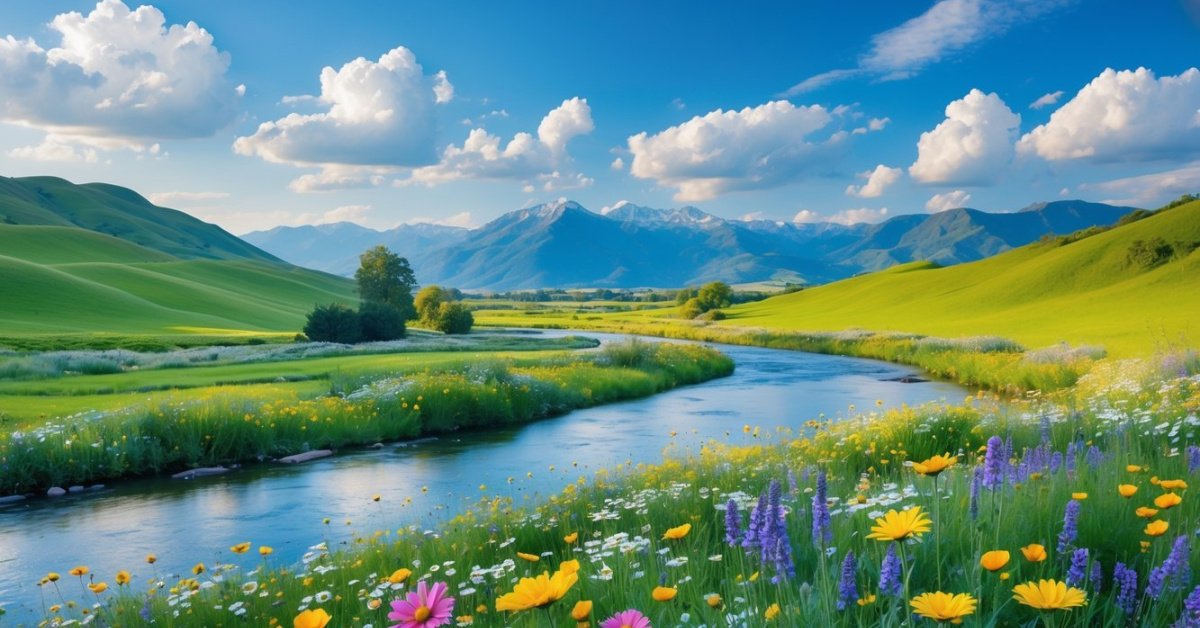
Whenever I want to step back in time and soak up Oregon’s roots, I head straight to Champoeg State Heritage Area. Tucked along the Willamette River, this peaceful park isn’t just another pretty spot—it’s where Oregon’s pioneers gathered and made history. There’s something special about walking the same ground where a group of settlers once voted to form the first provisional government in the Pacific Northwest.
I love how Champoeg blends wide-open meadows, towering oaks, and fascinating stories from the past. Whether I’m exploring the visitor center or just wandering the trails, I always feel connected to the spirit of early Oregon. It’s a place where history comes alive and nature invites you to linger a little longer.
History of Champoeg State Heritage Area: Oregon’s Birthplace
Champoeg State Heritage Area marks a turning point in Oregon’s story. I know that no other site in the Willamette Valley captures Oregon’s early pioneer history quite like this one.
The Original Settlement and Early Pioneers
The original settlement at Champoeg sits along the Willamette River. French Canadian fur trappers, retired Hudson’s Bay Company employees, and American farmers settled here in the 1830s and 1840s. Families like the Newells and the Gervais established early homesteads, planting wheat, building sawmills, and forging Oregon’s first roads. The Champoeg community grew around the river landing, trading post, and ferry crossing, which connected travelers and wagons to the French Prairie region.
The Famous 1843 Vote and Statehood
The famous 1843 vote at Champoeg changed Oregon’s future. On May 2, 1843, fifty-two men gathered in a barn for a public meeting. In a close vote of 52-50, the settlers agreed to form the Provisional Government of Oregon, setting rules for land claims and local law. This act established an organized civil structure before the United States formally recognized Oregon. I see Champoeg as Oregon’s birthplace because this government laid the groundwork for Oregon’s path to statehood in 1859. Interpretive markers and the visitor center today highlight original documents and personal accounts from that historic day.
Exploring the Park’s Attractions
Champoeg State Heritage Area blends history, nature, and recreation right on the banks of the Willamette River. I’ve explored every corner, and each visit uncovers something new that deepens my appreciation for Oregon’s roots.
Historic Sites and Interpretive Center
Champoeg’s interpretive center anchors the park’s historic experience. I often guide visitors to museum exhibits that showcase pioneer artifacts, original 19th-century documents, and maps detailing the 1843 vote. Interactive displays and reconstructed buildings let me share the daily life of early settlers—from the rough-hewn replica homesites to pioneer gardens filled with period-correct plants. I always recommend checking the center’s rotating programs, like costumed history walks or talks from descendants of early Oregon families. Outdoor monuments, like the 1901 Pioneer Memorial and the 1843 vote marker, offer tangible connections to the park’s defining moments.
Trails, Riverfront, and Natural Beauty
Champoeg’s trails run through open meadows, forests of Oregon white oak, and stretches along the Willamette River. I hike or bike the 4.5-mile Townsite Trail loop regularly, spotting wild turkeys, deer, and bald eagles—common sights here in spring and fall. The Oak Grove and Riverside Day-Use Areas always impress me for picnic spots, river views, and wildflower displays from March through May. River access lets kayakers and anglers cast off directly from the park. Every season brings a new layer of color—golden leaves in October or mist over morning grass in January—making these natural spaces a year-round highlight.
Activities and Visitor Experience
Champoeg State Heritage Area blends hands-on recreation and heritage experiences in a setting that’s both beautiful and rich in meaning. I always find new ways to connect to Oregon’s history and nature whenever I visit.
Camping, Picnicking, and Recreation
Camping at Champoeg offers comfortable sites, including 67 full hookup spaces, 6 yurts, and 6 walk-in tent areas, with showers and fire rings nearby. I like booking campsites in spring when wildflowers bloom along the riverbank. Picnic areas, shaded by oaks and maples, feature tables, grills, and group shelters—families and birders often gather here, especially during warmer months. On the riverside, anglers catch steelhead and salmon in the Willamette, with posted regulations from Oregon Department of Fish and Wildlife. Bikers and hikers use 9 miles of paved and dirt trails, and the 4.5-mile Townsite Trail loop remains my favorite for spotting blacktails and wild turkeys. Disc golf, horseshoes, and open play fields give kids and adults more options on busy weekends.
Educational Programs and Guided Tours
Educational programs at Champoeg show what life was like for early settlers. Guides lead living history demonstrations, such as blacksmithing and butter churning, especially during Pioneer Days in May. I recommend ranger-led tours for families; interpreters in period costume share details about the 1843 vote and display original documents from the provisional government. The visitor center schedules rotating exhibits and lectures, featuring archaeologists and local historians. Kids can join the Junior Ranger program, complete activities, then earn unique badges. School field trips arrive year-round for curriculum-based learning about Oregon’s heritage. For a deeper look, the annual Champoeg Promise gathering brings together descendants of pioneer families and the public for shared stories and commemorations.
Tips for Visiting Champoeg State Heritage Area: Oregon’s Birthplace
Plan your visit for a weekday if you want to avoid crowds, especially from May through September when school break visitors and locals fill the park on weekends. I find mornings quieter along the Willamette River, and wildlife sightings increase on less-traveled Townsite and Oak Grove trails.
Wear comfortable shoes suitable for gravel, grass, and paved trails, since terrain changes as you explore old homestead sites and shady oak savannas. Midday sun can get intense, with little shade in open fields, so I always pack a hat and sunscreen.
Bring snacks or a packed lunch for the picnic areas, since there aren’t restaurants in the park—just vending machines near the visitor center. Water is available at campgrounds and the main buildings, but you’ll want to carry a bottle with you while hiking or biking longer loops.
Check the Oregon State Parks website before visiting for current hours and any seasonal events. I’ve learned that ranger-led programs, living history days, and kids’ activities change regularly, especially in spring and fall.
Reserve campsites or yurts well in advance if you plan to stay overnight, since weekends and holidays book quickly. Day-use parking fills up fastest near the main center and disc golf course, so I often park farther out and walk in during busy days.
Leashed pets are welcome throughout much of the park, though only service animals are allowed in historic buildings and at ranger programs. I recommend picking up a park map at the visitor center; the site sprawls over 600+ acres, and some historic markers take a bit of searching to find.
Conclusion
Every time I visit Champoeg State Heritage Area I find something new to appreciate. Whether I’m wandering through the meadows or pausing at the historic markers I can’t help but feel a deep sense of gratitude for the pioneers who shaped Oregon’s future. There’s a special kind of magic here that blends history and nature in a way that always leaves me inspired.
If you’re looking for a place that offers both adventure and a meaningful connection to Oregon’s roots Champoeg is well worth exploring. I hope you’ll enjoy your time there as much as I always do.