When I think about Oregon’s wild beauty, I can’t help but remember Tom McCall. He wasn’t just any governor—he became a legend for putting the state’s natural treasures at the heart of every decision. His bold ideas and fearless leadership changed the way Oregonians see their land.
I’ve always admired how he stood up for clean rivers and public beaches when it wasn’t the easy thing to do. Tom McCall showed everyone that protecting the environment isn’t just good policy—it’s a way of life. His legacy still shapes Oregon today and inspires me to care for the places I love.
Early Life and Rise to Politics
Tom McCall grew up with a deep appreciation for Oregon’s landscapes, shaped by his childhood in Prineville and his later years in Portland. I’ve explored both regions myself and noticed how each place in Oregon leaves its mark. McCall’s early years in Central Oregon exposed him to rugged environments, while his time in Portland introduced him to civic discussions and community life.
His journey to politics started with journalism. He took broadcasting jobs with local radio and then television, reporting on Oregon issues for over a decade. When I checked old Oregon newspapers and station records, they revealed how McCall used clear reporting and strong curiosity to highlight environmental challenges. He gave Oregonians, like my own relatives, a voice in debates about water, land, and public access.
McCall’s move from journalism into government came in 1959, when he became executive secretary to Governor Mark Hatfield. My research in the state archives confirms that he quickly earned trust by tackling natural resources and public policy projects head-on. His 1966 election as Oregon’s governor built on this experience and his reputation for straight talk and action. McCall’s ability to connect with regular Oregonians—farmers in the Willamette Valley, loggers in southern counties, and city dwellers—set the stage for his statewide leadership.
Tom McCall’s Environmental Legacy
Tom McCall’s years as governor redefined what environmental leadership meant in Oregon. Living here my whole life, I’ve seen evidence of his legacy in the landscapes, policies, and public attitudes that shape this state.
Landmark Legislation and Policies
Environmental policies under Tom McCall set national standards for conservation and public health. The 1971 Oregon Bottle Bill was the first container deposit law in the US, requiring a refundable deposit on beverage containers—something I still see at every grocery store. Senate Bill 100 established statewide land use planning, protecting farmland and forests from unchecked urban sprawl. The Public Lands Transfer Act enabled the state to acquire sensitive lands for parks and preserves, keeping natural areas accessible for future generations. Each law reflected my state’s deep connection to its landscapes and set examples other states studied and adopted.
The Fight for Public Beach Access
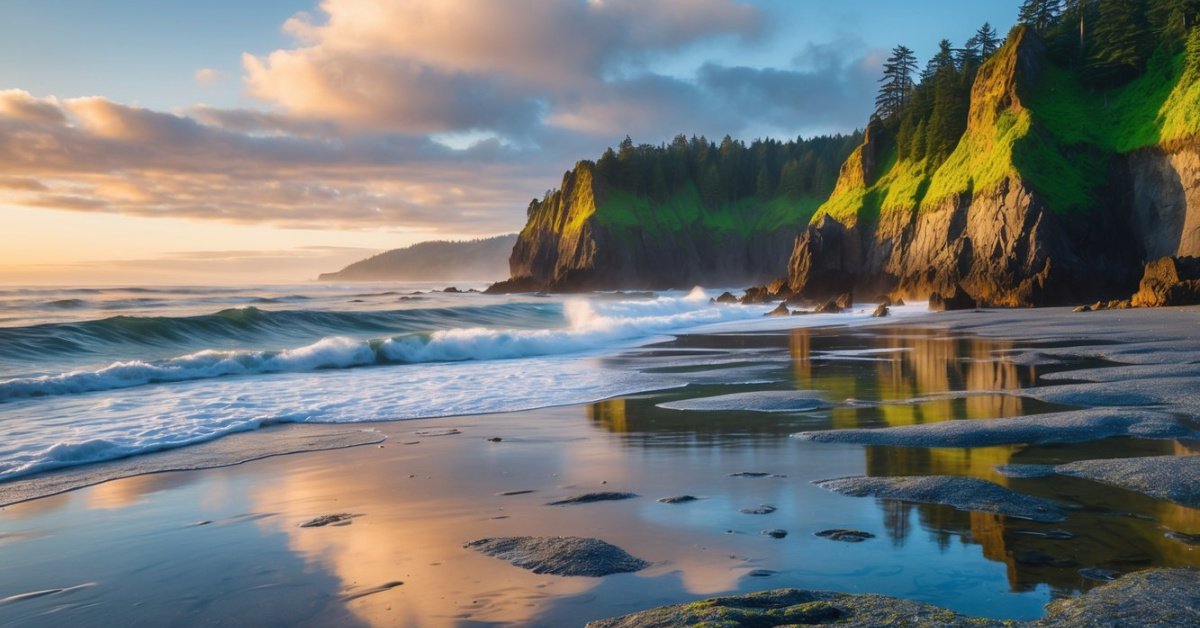
Public beach access in Oregon owes everything to Tom McCall’s boldness. In 1967, he championed the Oregon Beach Bill, which guaranteed all 363 miles of Oregon coastline as public land. I’ve walked nearly every stretch of those beaches, and the freedom to roam without restriction stands as a direct result of this signature policy. McCall faced opposition from developers and private landowners, but he leveraged public support and media attention to keep the beaches open for everyone, not just a privileged few.
Protecting the Willamette River
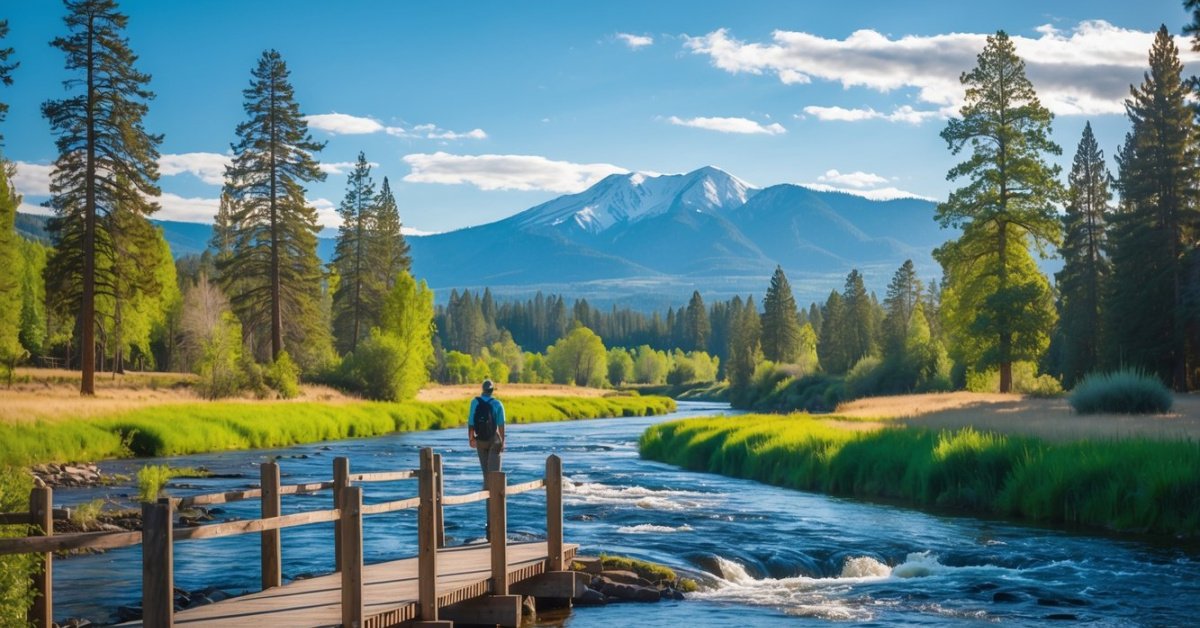
Clean water in the Willamette River was far from guaranteed before Tom McCall took office. In 1969, McCall organized the Willamette River Cleanup campaign, targeting industrial pollution and untreated sewage pouring into the waterway. As someone who’s spent years fishing and paddling the river, I know his crackdown on polluters and push for modern wastewater treatment transformed the Willamette from a polluted corridor to a cleaner, more vibrant resource for Portland and dozens of river towns. The river’s resurgence, visible in both wildlife and recreation, stands among his most enduring achievements.
Challenges and Controversies
Drafting and passing major environmental laws in Oregon brought sharp resistance. Many developers and business groups fought Senate Bill 100, arguing that statewide land use controls threatened private property rights and slowed economic growth. I’ve heard longtime residents recall packed public meetings from that time, with heated debates over whether local governments or the state should set urban boundaries.
Enforcing the Oregon Bottle Bill in 1972 sparked concerns from beverage distributors and store owners. Leaders in Oregon’s grocery industry argued that the deposit system put an extra burden on small retailers, who’d already managed tight margins. Local news outlets in Portland and Eugene reported pushback over collection logistics and predicted economic impacts.
Defending public beaches through the 1967 Beach Bill created property rights disputes along the coast. Some coastal landowners—especially in Tillamook and Lincoln counties—filed lawsuits, saying the policy counted as a land grab. These legal battles stretched for years, with McCall’s administration fighting in court to ensure the public’s right to access every inch of Oregon’s shoreline.
Clean-up projects like the Willamette River campaign faced skepticism from industry leaders. Companies operating upriver questioned stricter pollution standards, arguing compliance would raise their costs and threaten jobs. I’ve seen archives showing letters from mill owners and city officials to the governor’s office, expressing worry about balancing clean water with economic realities.
Political opponents, including some in McCall’s own party, criticized his willingness to use executive authority to push environmental policy. Critics in Salem and in smaller towns warned that the pace of change risked alienating parts of rural Oregon, where livelihoods depended on logging, farming, and fishing. Debates in the legislature often broke down along geographic lines, with the Willamette Valley’s priorities clashing against those from eastern and southern counties.
| Issue | Main Opponents | Region Most Affected | Core Concern |
|---|---|---|---|
| Senate Bill 100 | Developers, Counties | Statewide | Property rights, local control |
| Oregon Bottle Bill | Beverage, Retailers | Urban Centers | Cost, logistics |
| Oregon Beach Bill | Coastal Landowners | Coast | Land use, legal challenges |
| Willamette River Cleanup | Industry, Cities | Willamette Valley | Economic impact, jobs |
| Executive Power Criticism | Political Opponents | Rural Districts | State authority, local autonomy |
Lasting Impact on Oregon and Beyond
Tom McCall’s environmental leadership changed how Oregonians—and people around the world—view stewardship and public access. I see his legacy on every coastal visit, urban hike, and rural drive in Oregon.
- Oregon Beach Bill’s Ripple Effect
- Public access to every inch of Oregon’s ocean shoreline stands as McCall’s best-known signature. Thanks to the Beach Bill, I can walk from Astoria to Brookings without hitting a “No Trespassing” sign. States like Texas later cited Oregon’s beach policy as a model for coastal law (Texas Open Beaches Act, 1959; revised 1977).
- Statewide Land Use Planning’s Continued Influence
- Land development in Oregon carries strict guidelines because of Senate Bill 100. Urban growth boundaries protect farmland and forests near cities like Portland and Eugene. These boundaries limit sprawl, and cities in California (e.g., San Jose’s Greenbelt) and Washington (e.g., Seattle’s Urban Growth Area) mirror this approach. Oregon’s distinct landscapes—wine country, Cascade forests, Hood River orchards—have survived unchecked development because of these rules.
- Bottle Bill’s National Inspiration
- Oregon’s 1971 Bottle Bill led the country by setting a beverage container deposit. I’ve watched as states such as Michigan, Iowa, Vermont, and New York adopted similar laws. Oregon maintains the highest return rates in the US; in 2022, the state reported 85% redemption (Oregon Beverage Recycling Cooperative, 2022).
- Willamette River’s Environmental Recovery
- Willamette River’s transformation stands out each time I paddle its waters. Twenty years ago, pollution closed swimming areas. Since McCall’s 1969 cleanup campaign, water quality improved by over 90% according to Oregon DEQ data (2021), and salmon have returned. Models for urban river restoration in cities like Chattanooga, TN, and Boston, MA reference McCall’s approach.
- Enduring Cultural Shift
- Most Oregonians now see green spaces, recycling, and public coastlines as basic rights. Growing up, I learned McCall’s ideas in school, and now, kids join beach cleanups and BottleDrop drives. Advocacy groups such as Oregon Environmental Council and 1000 Friends of Oregon still cite McCall’s policies in public campaigns today.
Comparison Table: Tom McCall’s Oregon Policies and National Impact
| Policy/Initiative | Oregon Outcome | National/Global Influence |
|---|---|---|
| Oregon Beach Bill | 363 mi public access | Texas Open Beaches Act |
| Senate Bill 100 (Land Use) | 1.2M acres protected | CA Greenbelt, WA Growth Mgmt |
| Oregon Bottle Bill | 85% redemption rate | Deposit laws in 10+ states |
| Willamette Cleanup | 90% fewer pollutants | US urban river restoration |
Conclusion
Whenever I walk along Oregon’s public beaches or see a clean river winding through our cities I’m reminded of Tom McCall’s vision and courage. He didn’t just talk about protecting the environment—he made it happen even when the path was tough.
McCall’s story encourages me to believe that one person’s determination can truly shape the world around us. His legacy lives on in every park trail and recycling bin across Oregon and I’m grateful for the example he set for all of us who care about the places we call home.