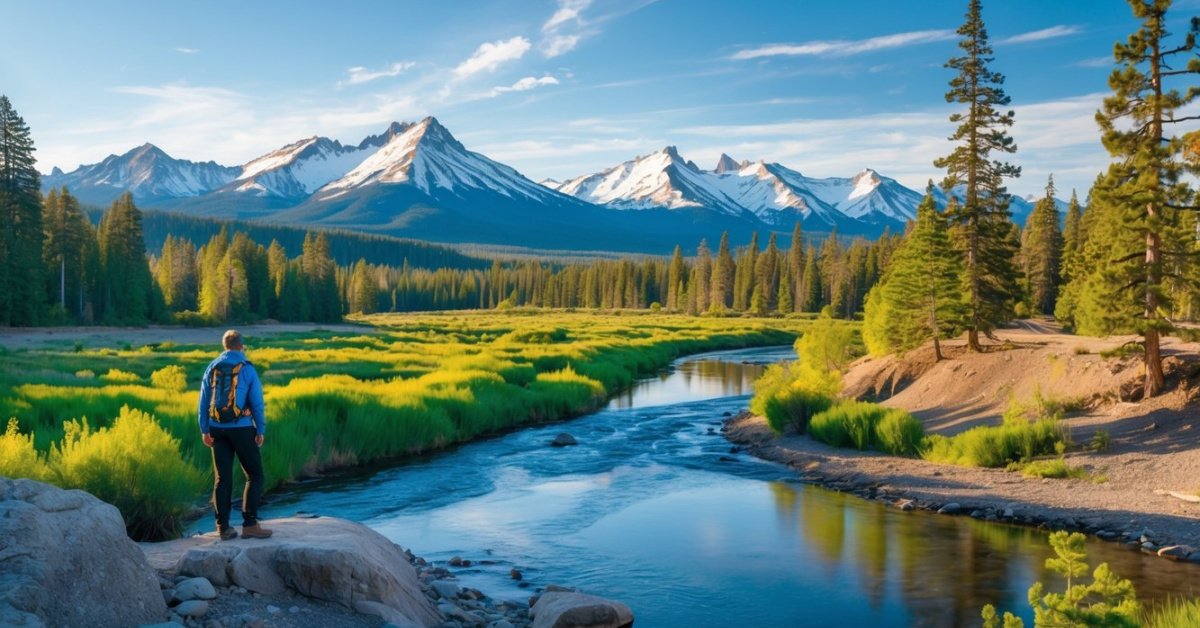
When I first wandered into Jacksonville I felt like I’d stepped into a living postcard. Tucked away in southern Oregon this charming town buzzes with echoes of its gold rush past. Every corner seems to whisper stories of fortune-seekers and pioneers who once rushed here hoping to strike it rich.
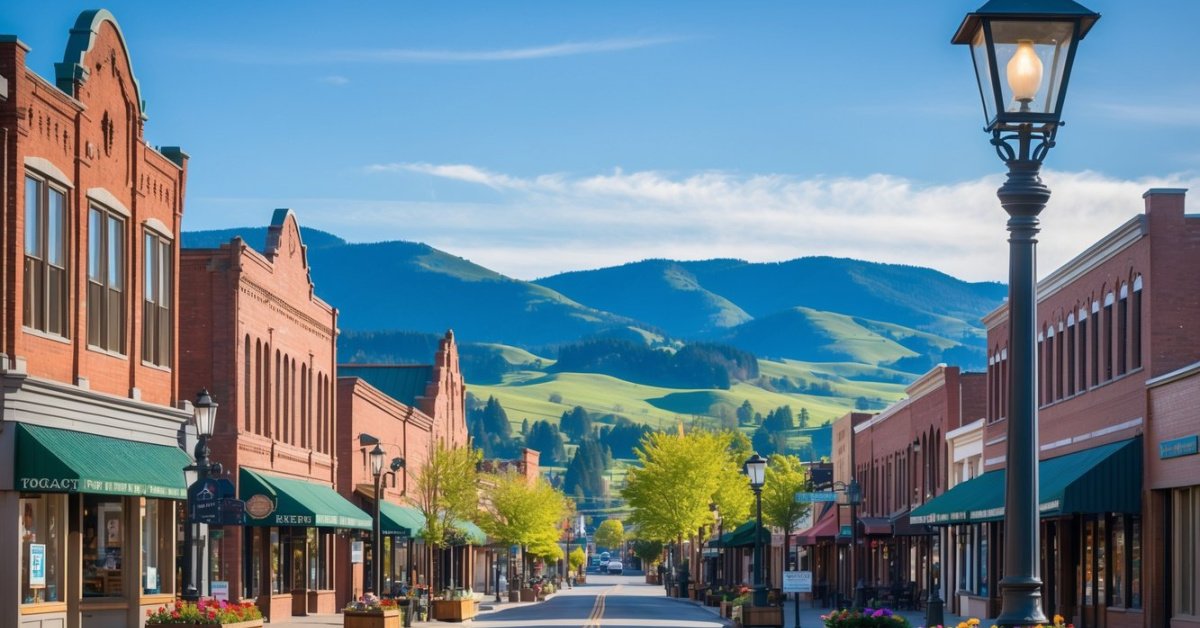
What I love most about Jacksonville is how it blends history with small-town warmth. Strolling down the main street I can’t help but admire the preserved brick buildings and inviting shops. There’s just something special about this place that makes me want to slow down and soak it all in.
The History of Jacksonville: Oregon’s Gold Rush Town
Jacksonville’s roots run deep in southern Oregon, and every corner feels shaped by its early gold-fueled days. Locals see the town’s story reflected in historic sites and lived traditions.
Gold Discovery and Early Settlement
Gold discovery sparked Jacksonville’s beginning in 1851, when prospectors found placer deposits in nearby Jackson Creek. Camps popped up almost overnight, drawing hundreds of miners aiming to strike it rich. Photographs from the era show tents and roughly built cabins along the creek bed. My research into historical records at the Jackson County Library reveals that people from California, the eastern United States, and even China rushed to settle here, hoping for fortune.
Growth During the Gold Rush Era
Jacksonville grew fast into a bustling supply hub because gold kept drawing new arrivals for several years. By 1852, the town’s population exceeded 2,000, making it one of Oregon’s largest at the time. Newspapers like the Table Rock Sentinel captured stories of commerce and rough competition on crowded streets. Maps from the 1860s show banks, saloons, and general stores lining California Street, most built from local brick thanks to nearby kilns. I’ve seen original ledgers at the Jacksonville Museum listing daily transactions from dozens of local businesses that supported mining and the growing community.
Exploring Historic Landmarks
I find Jacksonville packed with historic landmarks that showcase Oregon’s gold rush heritage at every corner. Every visit leads me to new discoveries, thanks to the town’s commitment to preservation and storytelling.
Notable Buildings and Sites
My favorite building in Jacksonville is the 1881 Jacksonville Courthouse—its Italianate brick facade dominates the main street and houses the visitor center, which provides detailed exhibits on mining-era law and community affairs. Strolling block by block, I spot the 1861 Beekman Bank, the oldest financial institution in Oregon, still displaying its original counters and vault. The 1857 Burrell House stands as a pristine example of early pioneer residences, while the Methodist Episcopal Church, built in 1854, sits as one of the first churches in southern Oregon. Every structure offers evidence of the city’s early prosperity.
The Jacksonville Historic District
The Jacksonville Historic District, designated a National Historic Landmark in 1966, covers 80 blocks and 326 buildings. I walk under mature oaks and maples, seeing preserved false-fronted shops, saloons, and blacksmith shops that line California Street. Almost every structure sports interpretive plaques with gold rush narratives, mining claims, or merchant history that connect me directly to 1850s daily life. Annual celebrations like the Victorian Christmas and Britt Festival fill the district with period costumes and live reenactments, making the gold rush legacy real for residents and visitors alike.
Local Culture and Events
Jacksonville blends gold rush history with a lively local scene year-round. I often see how traditions stay strong, with residents and visitors sharing in celebrations and daily community life.
Annual Festivals and Celebrations
Annual festivals fill Jacksonville’s calendar. Every December, Victorian Christmas transforms the main street, with carolers in period dress, tree lightings, and the scent of mulled cider drifting from local shops. Each summer, Britt Festival draws thousands to the historic hillside amphitheater for outdoor concerts by nationally known musicians—over 40 shows every season since 1963. Fall brings Harvest Festival, where regional artisans offer tastings of Rogue Valley wines and produce, with parades and farm-to-table picnics in the center of town. These signature events highlight Jacksonville’s commitment to honoring its roots while bringing people together in the present.
Arts, Music, and Community Spirit
Arts and music define Jacksonville’s community spirit. Dozens of working artists show their paintings and pottery at Art Presence Art Center near the courthouse square, rotating new exhibits monthly. I hear street musicians most weekends, especially during warm months, filling California Street with fiddle tunes and acoustic guitar. Jacksonville Library hosts author talks, historical lectures, and book clubs that keep cultural conversations active year-round. Neighborhood potlucks, farmers’ markets, and historic home tours offer even more chances for neighbors to connect. This close-knit, creative culture sets Jacksonville apart from other gold rush towns in southern Oregon.
Outdoor Activities and Natural Beauty
Jacksonville offers outdoor adventures and stunning landscapes that showcase the region’s natural character. I’ve spent years exploring these hills and vineyards, watching every season change the scenery just beyond the historic downtown.
Hiking and Scenic Trails
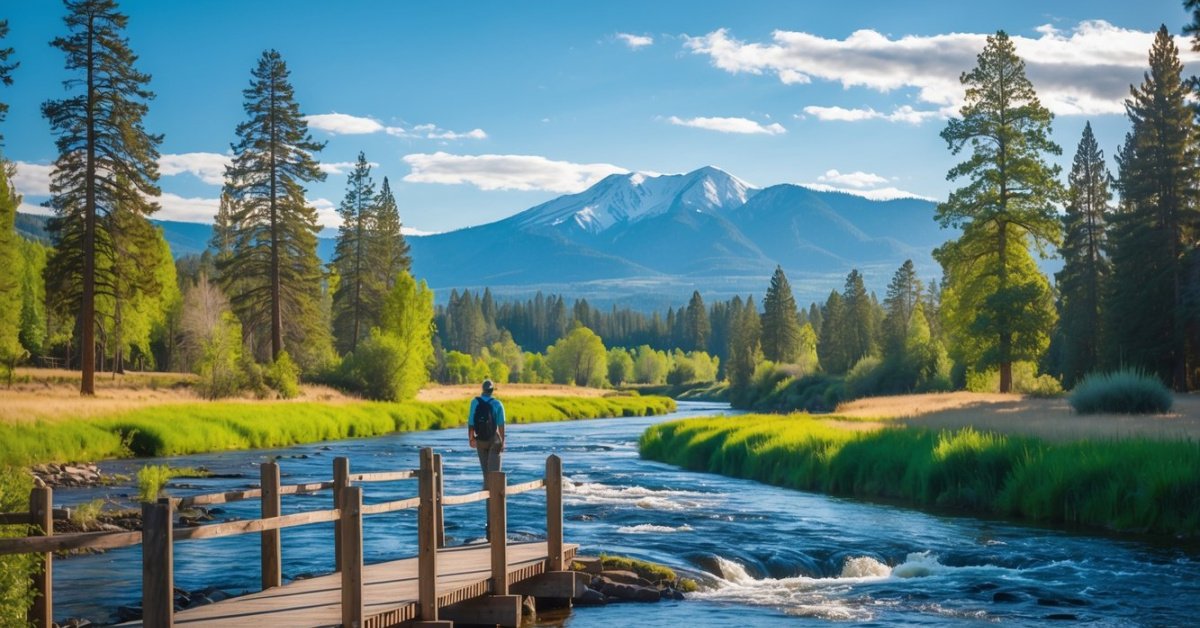
Trails around Jacksonville give direct access to the foothills of the Siskiyou Mountains. Forest Park covers 1,080 acres with over 30 miles of marked paths—trails like the Jackson Fork Trail and Rich Gulch Trail pass lush woodlands and open meadows. Spring brings wildflower blooms along the trails while fall shows off golden maples and fiery oaks. The Britt Woods Trail System connects to the Britt Festival grounds, where I often catch panoramic views of Ruch Valley and Table Rocks. Benches along higher ridges let me spot deer, wild turkeys, or even a red-tailed hawk gliding overhead.
Wine Tasting and Culinary Delights
Jacksonville sits in the heart of the Rogue Valley wine region, home to more than 30 wineries. Local estates like DANCIN Vineyards and Quady North offer tasting patios with vineyard views; I always recommend Pinot noir and Syrah grown on these southwestern slopes. Some tasting rooms share cheese boards featuring Rogue Creamery’s blue cheese and honey from local hives. Downtown bistros like South Stage Cellars blend live music with seasonal fare, showcasing heirloom tomatoes, wild mushrooms, and local beef. During September’s Oregon Wine Experience, I meet winemakers pouring award-winning vintages and chefs offering wood-fired specialties, all set against the valley’s rolling vineyard hills.
Visiting Jacksonville Today
Jacksonville keeps a lived-in historic charm and modern energy that’s rare in Oregon’s old towns. I find the best experiences come from digging into the town’s food, lodgings, and genuine character.
Where to Stay and Eat
Boutique hotels in Jacksonville offer memorable touches. The Jacksonville Inn sits in an 1861 brick landmark—antiques in every room and a wine cellar that’s earned statewide acclaim. Magnolia Hotel, with just 9 rooms, puts you right downtown and captures the cozy feel I always look for in a historic stay. Bed and breakfasts like McCully House show off authentic 19th-century design mixed with welcoming local hospitality.
Restaurants deliver local flavor and a sense of place. Gogi’s serves Northwest cuisine, fresh from Rogue Valley farms—try local steelhead or foraged mushrooms in season. I always recommend brunch at Mustard Seed Café for homemade pastries and Rogue Roasters coffee. Wineries such as Quady North and South Stage Cellars pour pinot noir and viognier, many from grapes grown just minutes away.
Tips for an Authentic Experience
Walking the main street early in the day helps beat crowds and lets you see local life as shopkeepers open up bakeries and galleries. Stepping inside the original Beekman Bank during a living history tour gives deep insight into gold rush life—I always learn something new each visit. Browsing local bookshops or chatting with artists at Art Presence Center connects you to Jacksonville’s creative side.
Hiking from downtown into Forest Park’s lower trails offers a quiet look at how nature surrounds the town—listen for birds and head up in late afternoon for views across the valley. Visiting during Victorian Christmas or Oktoberfest adds a festive, communal feel that’s hard to find elsewhere. I suggest talking with locals at the farmers’ market for stories and tips—you’ll often get recommendations you won’t find in any official guide.
Conclusion
Every visit to Jacksonville leaves me feeling like I’ve stepped into a living storybook where the past and present blend seamlessly. There’s something special about wandering quiet streets lined with history and meeting people who genuinely care about their town.
Whether I’m savoring a local wine or listening to music drift from a summer festival I always find new reasons to fall in love with this little gem in southern Oregon. If you’re searching for a place that celebrates its roots while welcoming fresh experiences Jacksonville is waiting to share its charm with you.