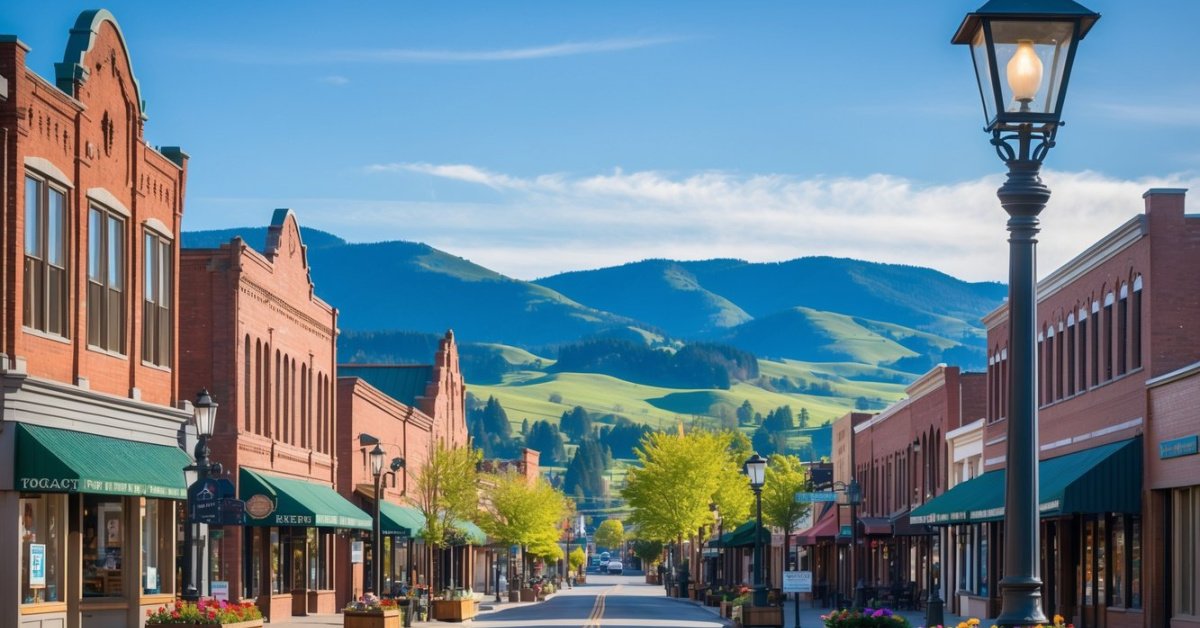
Whenever I wander through Jacksonville’s charming streets I can’t help but imagine the wild days of Oregon’s gold rush. This little town tucked in the Rogue Valley once buzzed with fortune seekers and dreamers hoping to strike it rich. The echoes of picks and shovels still seem to linger in the crisp mountain air.
I’ve always been fascinated by how a single discovery transformed Jacksonville almost overnight. Its wooden storefronts and historic homes tell stories of adventure and ambition. There’s something magical about exploring a place where history feels so alive and close at hand.
The Discovery That Sparked Oregon’s Gold Rush
I learned that gold first showed up near Jacksonville in 1851 when two miners, James Cluggage and James Pool, uncovered small gold flakes in Daisy Creek. Local accounts from that year describe how excitement surged through Southern Oregon as news traveled fast between mining camps in the Rogue Valley.
Miners from California rushed north, drawn by hope of quick riches and stories spreading in towns like Yreka and Sacramento. Historic records and journals at the Southern Oregon Historical Society detail how muddy wagon tracks and makeshift camps quickly covered the hills near Jacksonville in just weeks after the find.
Thousands of prospectors—farmers, merchants, and adventurers—flooded into Jacksonville’s forests and creeks. Miners set up tent cities on places I can still walk today, from Jackson Creek to Rich Gulch. By late 1852, census records show Jacksonville swelling from a remote woodland into one of Oregon’s largest settlements outside the Willamette Valley.
Local tribes like the Takelma already lived along these waterways, using them for fishing and trade. Conflict erupted as prospectors forced themselves onto the land, and those early years burned with tension, negotiation, and displacement. Today, markers and museum exhibits throughout Jacksonville preserve these voices and stories.
Gold unearthed in Jacksonville fueled Oregon’s economic growth in the 1850s. Merchants opened supply stores, tradespeople built homes, and stage routes connected the rising town with booming San Francisco. Gold weighed and documented in Jacksonville’s early ledgers still sits on display at the town museum, reminding me how one discovery created ripples I can trace all across Oregon’s landscape.
Jacksonville’s Early Days and Boomtown Growth
I’ve walked Jacksonville’s streets and seen how traces of its wild gold rush transformation still mark the town today. Fast expansion followed the 1851 gold find, reshaping the dense forests into a frontier hub almost overnight.
Key Figures and Pioneer Stories
Miners like James Cluggage and James Pool set the rush in motion with their 1851 discovery at Jackson Creek. Merchants Eliza Bigham and Cornelius Beekman boosted commerce by opening general stores and banking operations. Families, including the Britt and Orth clans, built homes and started orchards along the main roads. Community figures, such as Judge Matthew Deady, held court in rough-hewn cabins while townsfolk formed volunteer fire brigades. Local records and the Jacksonville Cemetery detail lives ended by hardship or violence, tying names to real moments in the gold-driven boom.
Infrastructure and Community Development
My research found Jacksonville’s boom pushed sawmills and blacksmith operations to open within months of gold’s discovery. Dirt paths widened into planked streets by 1852, with supply wagons and stagecoaches connecting Jacksonville to Yreka and San Francisco. Projects like the construction of the U.S. Hotel and the Jackson County Courthouse created both essential services and gathering places. By 1853, dozens of saloons, stores, and boarding houses filled the grid of blocks, attracting entrepreneurs and families. Churches, schools, and a post office anchored the community, while water ditches and primitive sewer lines signaled attempts to tame the environment for lasting settlement.
Challenges and Decline of the Gold Rush Era
Jacksonville thrived during the early gold rush, but the energy faded as resources dwindled and conditions changed. I see reminders of these challenges all over southern Oregon.
Economic Shifts and Migration
Gold mining declined quickly in Jacksonville after the mid-1850s once surface-level placer gold became scarce. Earlier, 2,000+ miners crowded claims and supported streets lined with shops and saloons, but by the late 1850s, production dropped sharply as easily reached gold ran out. Merchants and business owners, like Cornelius Beekman, pivoted to banking or agriculture, but many prospectors left for new strikes in Idaho and Montana. Jacksonville lost population throughout the 1860s, and younger generations gravitated toward Medford and Ashland after the Oregon & California Railroad bypassed town in 1884. The town’s economy slowed, buildings emptied, and commerce shifted away from the original gold fields.
Lasting Impacts on Jacksonville
Jacksonville’s fortunes shifted, but its gold rush legacy shaped the town’s identity. I notice the preserved 19th-century storefronts and faded advertisements hint at prosperity from earlier decades. Many historic homes and landmarks, such as the Beekman House and the United States Hotel, represent the ambitions of that first generation. Events like the Britt Music & Arts Festival bring locals and visitors together in venues founded by former miners and merchants. Ongoing preservation efforts by Southern Oregon Historical Society protect these buildings, offering living history year-round. I see Jacksonville’s decline after the gold rush not as an end, but as the reason the town remains a rare, intact window into the earliest days of Oregon statehood.
Preserving Jacksonville’s Gold Rush Heritage
Preserving Jacksonville’s gold rush heritage keeps the spirit of its early days visible across town. I see the legacy each time I visit historic homes, walk the old streets, or join locals for annual celebrations that honor the gold rush roots.
Historic Buildings and Landmarks
Historic buildings and landmarks in Jacksonville anchor its gold rush story. I often visit the Beekman House, built in the 1870s, where Cornelius Beekman conducted gold and banking business—guided tours still reveal vaults and family artifacts. The U.S. Hotel on California Street showcases 19th-century architecture, and original wooden storefronts like the Orth Building still house local businesses. The Jackson County Courthouse, dating back to 1883, dominates the old town square with its distinctive brickwork. Each site features plaques and exhibits, curated by the Southern Oregon Historical Society, sharing pioneer names and stories I’ve researched first-hand.
Annual Events and Cultural Celebrations
Annual events and cultural celebrations immerse residents and visitors in Jacksonville’s gold rush history. I enjoy the Britt Music & Arts Festival every summer, which takes place at the original estate of photographer Peter Britt and fills the hillside with music, continuing a local tradition that started in the 1960s. The Jacksonville Victorian Christmas, with carolers and lamp-lit tours, traces its heritage to 19th-century holiday gatherings. Guided walking tours run year-round, each led by costumed docents who bring mining tales to life. These events blend community spirit with educational outreach, connecting new generations to the gold rush history I love sharing.
Conclusion
Walking through Jacksonville always makes me feel like I’ve stepped into another era where every building and street corner whispers a story. There’s something magical about how this small town holds onto its gold rush roots while still feeling alive and welcoming today.
Whenever I visit I’m reminded that history isn’t just about dates or old photographs—it’s about the people who shaped a place and the legacy they left behind. Jacksonville’s gold rush spirit is still very much a part of its charm and I can’t help but be drawn back time and again.