When I think of classic Western stories, Ernest Haycox always comes to mind. His tales of rugged landscapes and unforgettable characters have a way of pulling me right into the heart of the Old West. Growing up in Oregon, Haycox drew inspiration from the wild beauty around him and turned it into stories that still capture readers today.
I love how his writing makes the frontier feel so real—dusty trails, tense standoffs, and all. If you’ve ever wanted to saddle up and ride along with cowboys and pioneers, Haycox’s novels are a great place to start. His legacy as one of Oregon’s most celebrated Western authors is hard to ignore, and I can’t wait to share more about his fascinating journey.
Early Life and Roots in Oregon
Ernest Haycox grew up in Portland, Oregon, during the early 1900s. My research shows he attended Portland Public Schools, just blocks from the Willamette River’s docks and mills. These streets once echoed with stories of loggers, pioneers, and traders—scenes that later filled his fiction.
Portland’s changing neighborhoods exposed Haycox to a mix of cultures and traditions. I’ve seen how the same lively blend of old frontier spirit and modern city life shapes local writers today. Haycox spent childhood summers exploring forested hills near Sellwood and the banks of the Columbia, according to the Oregon Encyclopedia. Exploring those same trails as he once did, I can sense how the wild landscape’s grandeur and unpredictability became central to his stories.
Haycox studied journalism at the University of Oregon in Eugene, graduating in 1923. Campus archives reveal he wrote for the student newspaper while he lived in an era shaped by working ranches and timber camps. His Oregon roots—seen in his strong sense of place, resilient characters, and authentic Western details—continue to resonate with anyone who’s spent time in this region.
Literary Career and Major Works
Ernest Haycox shaped the Western literary scene with authentic, Oregon-rooted storytelling. I see his legacy in how Oregonians connect to his sense of place and the accuracy of his Old West settings.
Breaking Into the Western Genre
Haycox broke into the Western genre after publishing early stories in pulp magazines in the 1920s, including Adventure and Western Story Magazine. He drew inspiration from Oregon landscapes, rugged pioneer histories, and local folklore I’ve seen echoed in places from the Willamette Valley prairies to Eastern Oregon canyon lands. By 1923, his work regularly appeared in national magazines, and by the 1930s, he was known across the country for blending fact with imaginative detail—similar to stories Oregonians still trade over campfires at Silver Falls or along the Snake River.
Notable Novels and Short Stories
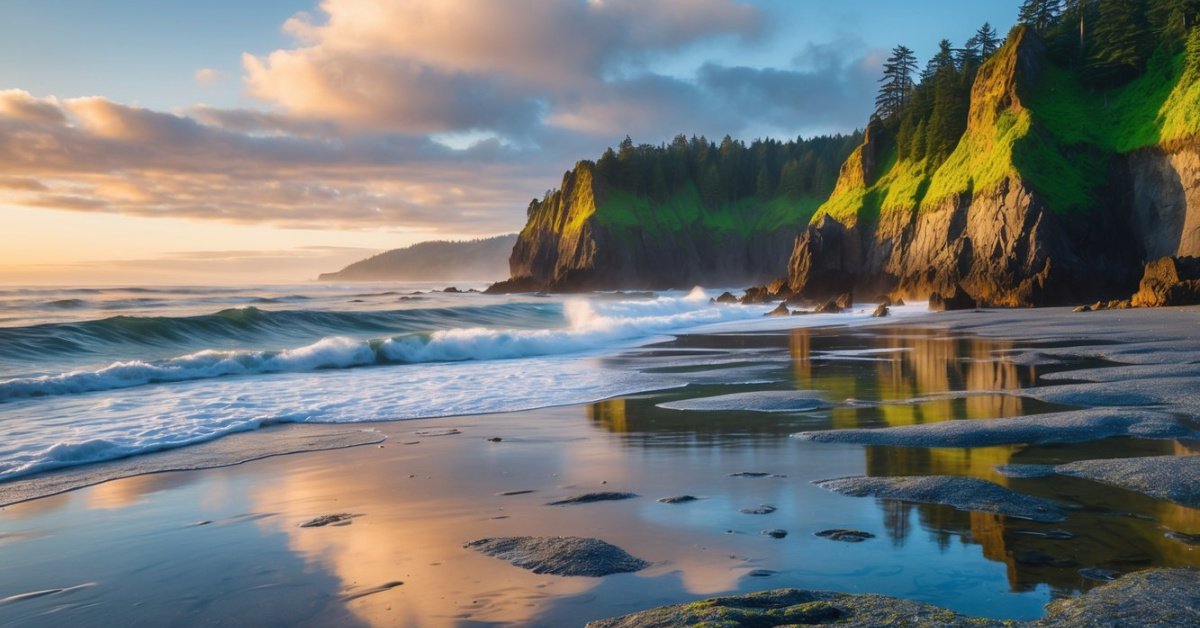
Haycox wrote over 20 novels and more than 300 short stories, many set in Oregon or inspired by real Western routes and events I’ve traced during my research hikes. Notable novels include Trouble Shooter (1936), which covers the building of the Union Pacific Railroad and drew from both national history and local legend, and The Border Trumpet (1939), offering insight into frontier military life. His short story “Stage to Lordsburg” (1937) became the film Stagecoach (1939), linking Oregon imagination to Hollywood history. My favorite Haycox tales preserve the energy and wild beauty of regions like the Columbia Gorge and eastern rangelands, blending fact and fiction in ways only a true Oregonian observer could appreciate.
Signature Themes and Writing Style
Haycox’s stories come alive with distinct echoes of Oregon’s landscapes and people. I see patterns in his work that highlight both the wildness of the West and the unique spirit of its settlers, details I recognize from my own experiences exploring Oregon.
Depictions of the American West
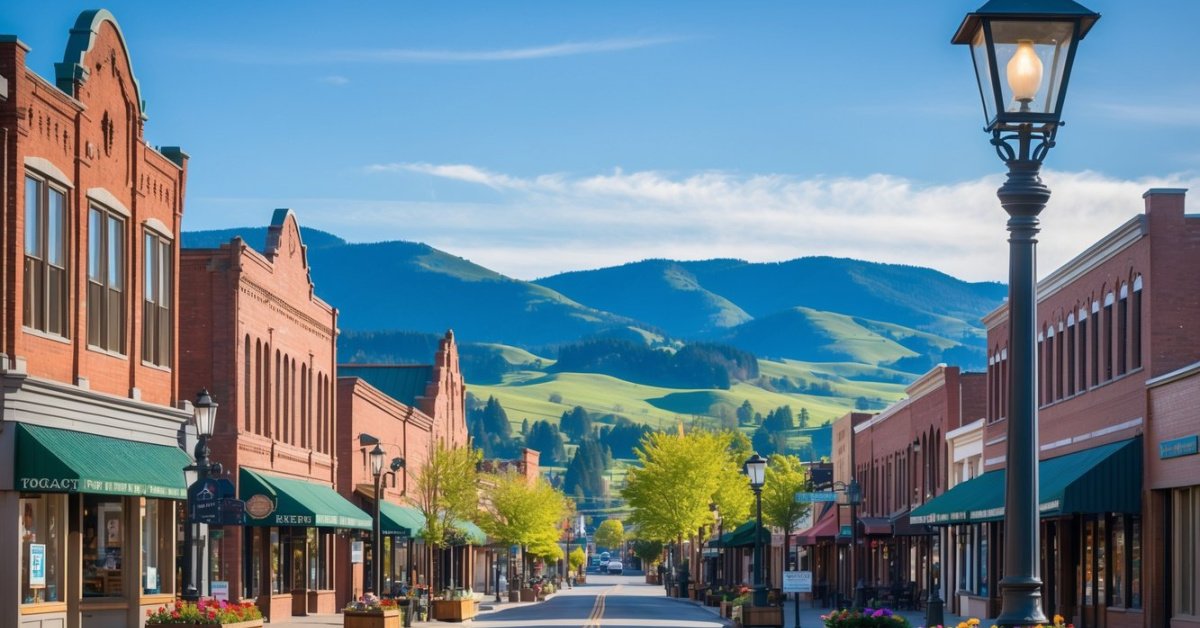
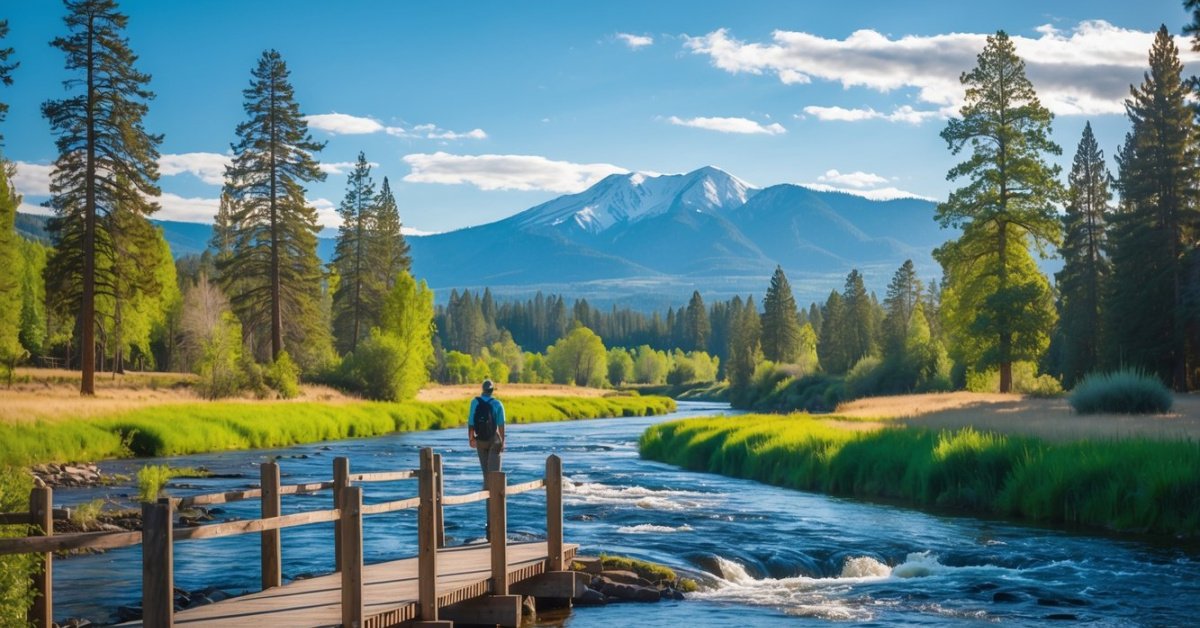
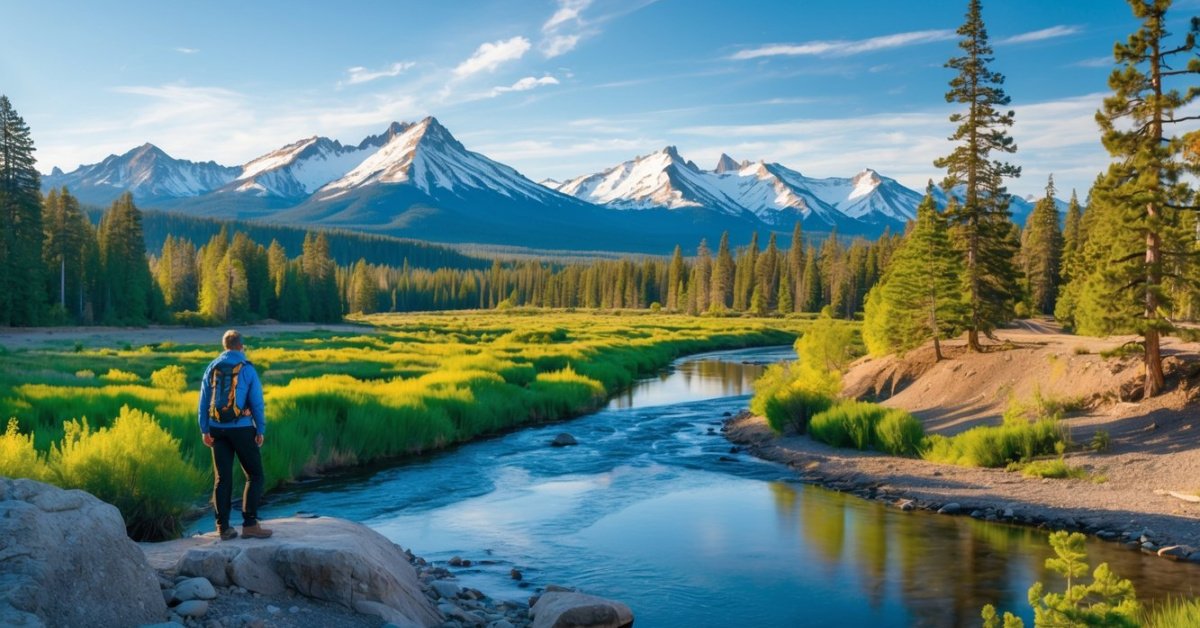
Haycox’s Westerns create a blend of history and local legend. He grounds his settings in real places many Oregonians know, like pine forests along the Columbia River or dusty trails that feel straight from Eastern Oregon’s hills. His descriptions draw from Oregon weather, river crossings, and the timber industry’s influence, which match what I see out in Baker City or up the Rogue River. Haycox often places his characters along wagon roads or pioneer outposts that once shaped Oregon’s frontier towns, adding a tangible sense of place to every story.
Character Development and Dialogue
Haycox gives his characters practical attitudes and voices that sound familiar to anyone who knows Oregonians. I see his protagonists speak in the clipped, straightforward way my neighbors or the folks at the local feed store do. He includes loggers, ranchers, traders, and miners—real types I meet heading up to Pendleton or camping near Bend. They wrestle with challenges in direct language, avoiding flowery speech in favor of plain talk, much like the conversations I hear at Oregon small-town coffee shops. This approach brings authenticity and a genuine regional warmth, anchoring his tales firmly in the society and culture of the Western frontier.
Influence on Western Literature
Ernest Haycox shaped the way writers handle Western fiction with Oregon’s authentic landscapes and voices. I see his influence run deep in both the genre and popular culture, especially among Oregonians who recognize their home in his work.
Impact on Popular Culture
Haycox’s stories brought Northwest settings into the national Western imagination. Readers everywhere started picturing Oregon pine forests and rugged canyons as central to the Old West thanks to details he’d gathered from life near the Columbia River. Many locals in my community talk about Haycox characters like they’re neighbors from ranches down in Harney County or timber camps outside Pendleton. In schools across Oregon, students still study his work for its regional accuracy and vivid storytelling. The way he narrates the Western experience made it widely relatable, so his tales helped Oregon’s history and myths reach a much broader audience.
Adaptations and Legacy
Publishers printed Haycox’s Western novels and short stories in top magazines, from Collier’s to The Saturday Evening Post, which put Oregon on the map for millions of readers between the 1920s and 1950s. Hollywood adapted his story “Stage to Lordsburg” into the classic film “Stagecoach” in 1939, forever linking Oregon’s frontier legends to American cinema. Local historians and literary groups in Oregon often recognize him during events, and the Oregon Cultural Heritage Commission lists him among the state’s most influential writers. His books, like “Free Grass” and “The Earthbreakers,” still appear in Oregon library collections and inspire film, theater, and even local historical reenactments. I often meet hikers, teachers, and ranchers paging through his descriptions of Oregon’s wildness, looking for traces of Haycox’s world in the real West.
Personal Life and Lasting Recognition
Ernest Haycox lived most of his life in Oregon, shaping his deep connection to the region’s people and landscapes. I’ve researched Haycox’s Portland roots—he married Jill M. Chord and raised his family in the neighborhoods along the Willamette River. His daily life mirrored many of his characters’: quiet, hardworking, and tuned to Oregon’s unique rhythms. Haycox spent much of his career in Portland and on writing retreats along Oregon’s coast, where he found inspiration in the changing light over local rivers and pine fields.
Haycox’s legacy endures across Oregon in several ways. Schools use his stories to teach young Oregonians about the early Northwest, giving students direct encounters with regional history through fiction. Statues and plaques mark his significance downtown—look for the marker near the old Guild’s Lake rail yards, a site that appears in several of his novels. Oregon Historical Society archives preserve his correspondence and unpublished manuscripts, making his life and process accessible to new researchers. Local libraries frequently host Western fiction nights featuring his work, which always draws readers interested in authentic depictions of Oregon’s landscapes.
Publications regularly cite Haycox as a major influence on Pacific Northwest writers, especially those who explore Oregon’s pioneer heritage. Filmmakers credit Haycox’s short story “Stage to Lordsburg” as a catalyst for classic Westerns—John Ford filmed its adaptation, “Stagecoach”, near landscapes familiar to any Oregonian. Haycox’s name appears in literary trails and walking tours throughout Portland, connecting visitors to the places that inspired his stories.
Today, Haycox’s presence threads through Oregon culture, from classroom lessons to community events. I often meet locals who recall family connections to sites featured in his tales—testament to the way his writing still ties Oregon’s past to its present.
Conclusion
Whenever I pick up one of Ernest Haycox’s stories I’m instantly transported to the wild landscapes and vibrant communities that shaped his imagination. His writing feels like a love letter to Oregon and the people who call it home.
Haycox’s legacy isn’t just about classic Western adventures—it’s about the way he captured the heart and soul of a region. I find his stories still spark curiosity and pride in Oregon’s unique place in American history. His influence lingers in every tale of the Old West that echoes with the spirit of the Northwest.