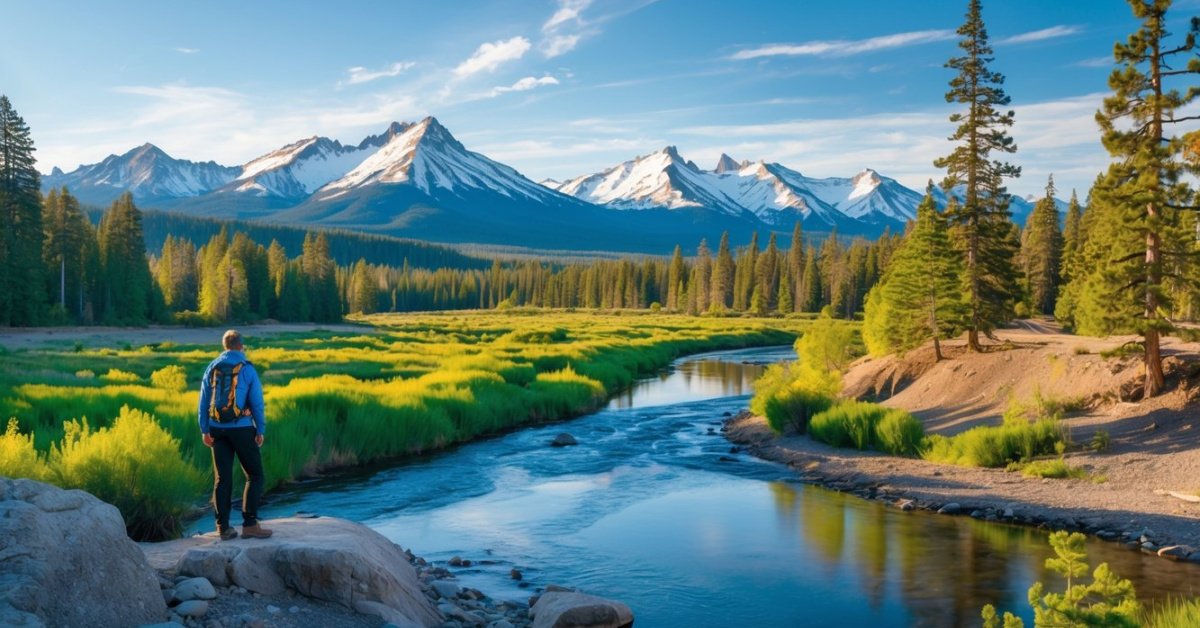
Whenever I need to escape the daily grind and soak in some natural beauty, Wallowa Lake always tops my list. Tucked away in Eastern Oregon, this stunning spot feels like a hidden gem waiting to be discovered. With its crystal-clear waters and mountain backdrop, it’s easy to see why so many people fall in love with it.
I can’t help but feel a sense of calm the moment I arrive. Whether I’m walking along the shoreline or just sitting quietly, the scenery never fails to impress me. It’s the kind of place that invites you to slow down and savor every moment.
Overview of Wallowa Lake: Scenic Beauty in Eastern Oregon
Wallowa Lake sits at the foot of the Wallowa Mountains in Northeast Oregon, about 6 miles south of Joseph and 75 miles from La Grande. I find the setting unique in the state—glacial origins give the lake its long, narrow shape and water clarity. The mountain peaks rise over 9,800 feet, framing the lake with dramatic scenery you can’t find anywhere else in Oregon.
The area features forested slopes, open meadows, and a classic alpine lake backdrop. Clear days create mirror-like reflections of the Eagle Cap Wilderness on the water’s surface. Wildlife around the lake includes deer, osprey, bald eagles, and river otters. In summer, you’ll see wildflowers in the meadows and sharp rocky outcrops along nearby trails.
Historic Wallowa Lake State Park lines the southern shoreline, offering maintained trails, picnic areas, and direct lake access. The water appears turquoise-blue on bright days—one of the reasons locals like me recommend morning walks near the campground for the best views. The town of Joseph, filled with Oregon-made bronze art and boutique shops, sits at the north end and acts as a gateway for exploring this part of Eastern Oregon.
The Natural Landscape and Surroundings
Eastern Oregon’s landscapes set Wallowa Lake apart, combining dramatic geology with untouched wilderness. I’ve spent years exploring every corner of Oregon, but the setting around this glacial lake always stands out for its authenticity and clarity.
Mountain Views and Wilderness
Rugged Wallowa Mountains rise sharply behind the lake, with peaks like Sacajawea at 9,838 feet and Matterhorn at 9,826 feet dominating the skyline. I often find the best views early in the morning, when low light hits the granite ridges and the air’s perfectly still. Dense forests of Douglas fir and ponderosa pine cover the foothills, while open meadows on the lake’s east side burst with lupine and paintbrush from late June through August. Remote wilderness stretches south into Eagle Cap Wilderness, an area with over 360 miles of designated trails and dozens of glacial tarns, which I visit for solitude and wildlife sightings—bald eagles, deer, and the occasional black bear all make appearances if you keep quiet.
The Pristine Waters of the Lake
Wallowa Lake’s waters reflect the mountains with near-perfect clarity thanks to its glacial origins and minimal development along the shoreline. Local spring-fed streams, including the Wallowa River and West Fork, feed the lake with fresh, cold water year-round. I regularly see river otters slipping through the reeds near the State Park boat dock and watch osprey dive for kokanee salmon, a native species found only in a handful of Oregon lakes. Water clarity often exceeds 40 feet in summer, which lets you spot submerged driftwood and schools of trout from the docks. On calm days, the surface mirrors the surrounding peaks so precisely it’s easy to lose your sense of horizon.
Outdoor Activities at Wallowa Lake
Outdoor experiences at Wallowa Lake combine mountain landscapes with a the peaceful sound of water. I spend time every season checking what’s new and what’s unchanged on the trails, at the shoreline, and in the campgrounds.
Hiking and Trails
Hiking paths around Wallowa Lake showcase some of the most authentic Eastern Oregon scenery. Main routes include the West Fork Wallowa River Trail, which leads into the Eagle Cap Wilderness, where I see alpine basins and wildflower meadows after the snow melts in late June. The Chief Joseph Trail climbs above the lake for panoramic views—on clear mornings, the sun lights up the valley in a way native Oregonians appreciate. Shorter lake loop trails near the state park entrance work well for all ages and offer frequent wildlife sightings, such as deer and osprey.
Boating and Fishing
Boating on Wallowa Lake means clear water beneath and steep peaks above. Canoe, kayak, and paddleboat rentals are available by the state park marina from May through September. I fish for kokanee salmon and rainbow trout in the lake—Oregon Fish and Wildlife stocks trout regularly in spring and summer, and I often see anglers pulling in fish along the north shore. On still mornings, the lake turns glassy, and rowboats glide past quiet coves where otters play and bald eagles perch in tall trees.
Camping and Picnicking Opportunities
Camping spots around Wallowa Lake blend convenience and natural beauty. Wallowa Lake State Park features 121 tent sites, 89 RV spots, and 2 yurts (Oregon Parks and Recreation, 2024)—I book weekdays in early summer to avoid crowds. Picnic tables dot the lakeshore and forest edges inside the park, offering views of Matterhorn and Sacajawea peaks. Locals head to the day-use area near the south end for shaded afternoon picnics; I bring lunch and watch kids skip rocks onto the sparkling shallows.
Local Attractions and Hidden Gems
Locals know Wallowa Lake stands out not just for its scenery but for the unique places and secrets nestled close by. I’ve found that these attractions give every visit more depth and authentic Eastern Oregon character.
Wallowa Lake State Park
Wallowa Lake State Park, set on the southern tip of the lake, is the main hub for classic outdoor fun. I often see families strolling wooded trails or launching boats from the marina. Well-maintained paths like the Swiftwater Loop and Lakeshore Trail give easy access to lakefront views and tucked-away picnic spots—especially quiet before 10 a.m. In spring and early summer, meadows fill with lupine and arrowleaf balsamroot, making the park a prime spot for wildflower walks. Local advice: the north end’s day-use area stays uncrowded and is where deer often graze at sunrise. Campers prefer the hillside sites right above the shore for sunset colors reflecting on the water.
Joseph, Oregon: The Nearby Artsy Town
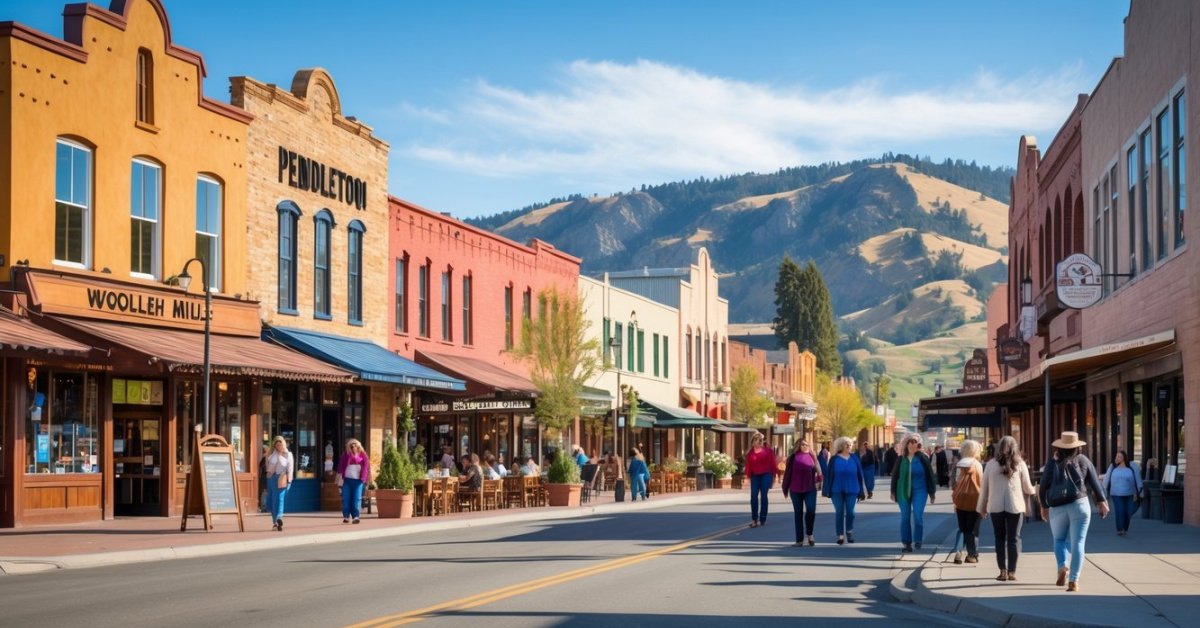
Joseph, just a 10-minute drive from the lake, blends Western roots with an evolving art scene. I like lingering on Main Street, where bronze figures by Valley Bronze sit beside old brick storefronts. Homegrown galleries showcase nature-inspired works and local photography, with artists often working on-site. Coffeehouses double as live music venues on weekend nights, and most shops feature Oregon-made goods—hand-poured candles, hand-woven rugs, or local huckleberry jams. Year-round, Joseph’s small craft breweries, like the one near the old railroad depot, serve beers flavored with wild hops found only here in Wallowa County. The Josephy Center hosts rotating exhibits and classes if I want a deeper look into the valley’s native and pioneer history. Hidden mural alleys and unmarked sculpture gardens reward anyone who explores just off Main.
Best Times to Visit and Travel Tips
Best times to visit Wallowa Lake center on late June through early September, when weather stays warm and skies remain clear. Wildflowers peak from mid-June into July, filling meadows with color. I see the best lake reflections in early summer mornings, especially before noon when wind is calm. Crowds gather on weekends and holidays, mainly in July and early August, so I find midweek trips in early summer or right after Labor Day much quieter.
Travel to Wallowa Lake from Portland or Bend takes 5–7 hours by car. I usually follow I-84 to La Grande, then head south on OR-82 through Enterprise and Joseph—plan for some winding roads the last 30 miles. No public transit serves the area, so driving works best. Accommodations at the state park, local resorts, and vacation rentals fill up weeks ahead in summer, so I book lodging early if visiting between July and August.
Packing essentials for Wallowa Lake include layers—mornings stay cool and mid-afternoons get warm, especially in late June. I always bring a rain jacket even in summer; quick storms aren’t rare here. Mosquitoes show up along the shoreline and meadows in June and July, so insect repellent helps. For hiking, sturdy shoes and sun protection matter most since trails run through exposed meadows and shaded forests.
Cell service around Wallowa Lake drops to limited coverage, especially inside Eagle Cap Wilderness. I save offline maps on my phone before leaving Joseph. Gas up in Enterprise or Joseph since stations don’t exist closer to the lake or trailheads. Restaurants and grocery stores operate on mountain time—meaning they close earlier than city spots—so I keep snacks in my pack for afternoons and evenings.
Local etiquette means respecting posted trail rules, packing out trash, and staying on established routes. I always give horses the right-of-way on the trails, and keep a safe distance from wildlife like deer and otters. The mornings deliver the best lighting for both photos and wildlife watching, especially on the lakeshore trails along Wallowa Lake’s southern end.
Conclusion
Wallowa Lake has a way of drawing me back whenever I need a break from busy routines. Its peaceful shores and stunning mountain views remind me to slow down and appreciate the simple joys of nature.
Every visit offers something new whether it’s spotting wildlife along the water’s edge or discovering a quiet trail in the early morning light. If you’re searching for a place that blends adventure with tranquility this corner of Eastern Oregon never disappoints.