Whenever I visit the Oregon coast I can’t help but be drawn to the striking silhouette of Yaquina Head Lighthouse. Perched high above the crashing waves this iconic beacon has watched over the rugged shoreline for more than a century. There’s something magical about the way it stands tall against the endless sky—it’s both a piece of history and a symbol of adventure.
I love wandering along the windswept cliffs and soaking in the breathtaking views. The salty air mixed with the sound of seabirds makes every visit unforgettable. Whether I’m exploring tide pools below or gazing up at the lighthouse itself I always feel connected to the stories and people who’ve passed through this remarkable spot.
Exploring Yaquina Head Lighthouse: Coastal History and Views
History anchors every visit to Yaquina Head Lighthouse. Construction finished in 1873 using over 370,000 bricks transported by sea. The lighthouse stands 93 feet tall, making it the tallest on the Oregon coast and guiding ships with its signature first-order Fresnel lens. I often point out how its original oil lamps saved countless vessels during winter storms, according to the National Park Service.
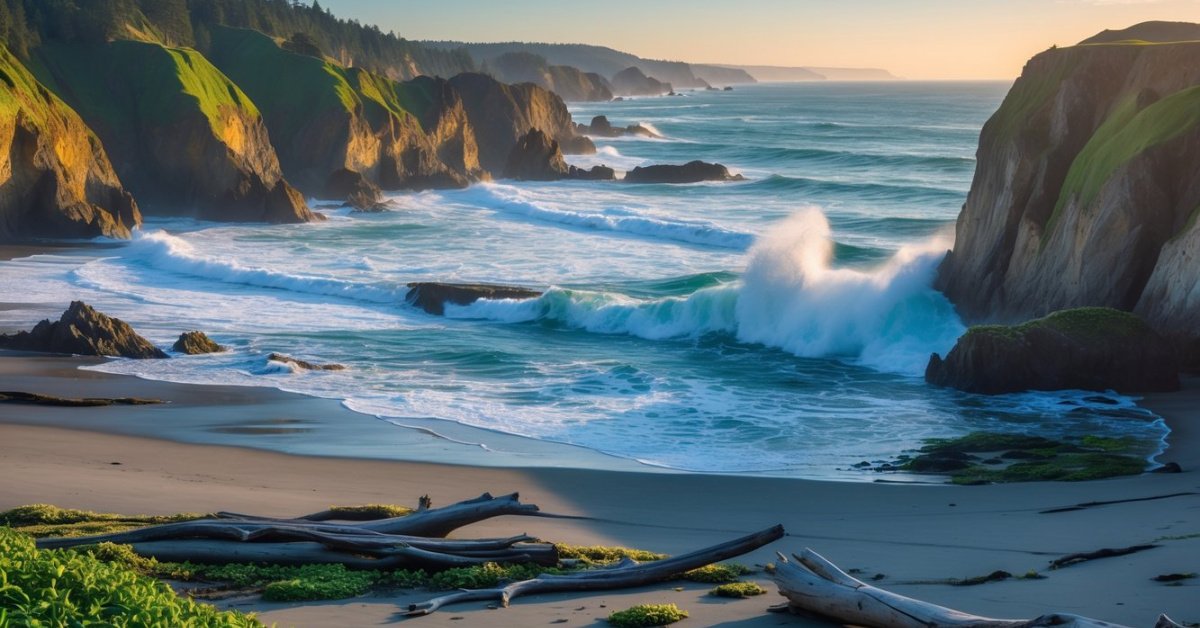
Views from Yaquina Head rank high among Oregon coast lookouts. The lighthouse rises above basalt headlands formed by ancient lava flows, with panoramic sights that span Agate Beach, Yaquina Bay, and offshore sea stacks. On clear days, I spot migrating gray whales from the path, especially in late winter and spring. Birdwatchers find common murres and bald eagles, while tidepool enthusiasts explore starfish and anemones at Quarry Cove.
Local legends and maritime stories shape the visitor experience. Rangers often share shipwreck tales, including the J. Marhoffer explosion in 1910, which I’ve researched on site with interpretive materials. The surrounding Yaquina Head Outstanding Natural Area preserves not only the lighthouse but also shoreline habitats and miles of scenic trails perfect for photography or quiet reflection.
Access to the lighthouse interior depends on guided tours. I recommend booking in advance in peak months to see the original keeper’s quarters and the still-functioning lens. Consistent coastal breezes, sweeping views, and a deep sense of Oregon history define every visit—cornerstones that keep me returning to share new details with curious travelers.
The Origins of Yaquina Head Lighthouse
Yaquina Head Lighthouse began guiding Pacific mariners in 1873. I’ve traced its story in state archives, field journals, and tales from Newport locals who treat it as a cornerstone of Oregon’s coastal identity.
Construction and Architectural Details
Builders completed Yaquina Head Lighthouse in August 1873, stacking more than 370,000 bricks hauled by ship from San Francisco. I spot its 93-foot column from miles away, with the structure’s height making it the tallest lighthouse in Oregon. Architects designed the tower’s circular masonry for wind resistance, and the walls—four feet thick at the base—show how the builders prioritized strength for constant coastal storms.
The lantern room houses a first-order Fresnel lens, the largest type still remaining on the West Coast. The original mechanism required keepers to wind a clockwork rotation system. Iron stairs spiral up from the vestibule to the lantern gallery, all fabricated in early foundries of the Willamette Valley and shipped upriver by sloop. Original outbuildings included the keeper’s cottage, oil house, and workshops, clustered against the windward gale.
Early Keepers and Maritime Significance
The first lightkeepers were often Civil War veterans, drawn to Yaquina Head for steady work and the stark, stunning seascape. I’ve pored over hand-written logs from James S. Pittock, the first head keeper, who detailed everything from fuel deliveries to late-night rescues during winter storms.
Lighthouse duty meant isolation and unwavering vigilance. Vessels from San Francisco, Astoria, and Alaska relied on the steady beam, with mariners tracking the flash pattern to cross the bar at Yaquina Bay or to avoid the perilous offshore reefs. The original pair of oil lamps shined miles out to sea, replacing the region’s patchwork of bonfires and makeshift signals. Early keepers recorded at least five major shipwrecks a decade, with many crews crediting the lighthouse’s brilliant lantern for safe passage or rescue during dense fog.
Stories circulate in Newport about fishermen and cargo haulers whose lives depended on the lighthouse signal—an example, the barque Victoria, driven aground in the 1880s, with survivors guided to safety by Pittock’s steady hand and the piercing Fresnel beam. Every coastal family I meet along Yaquina Bay still links their story to the light first cast from these windswept bricks.
Yaquina Head’s Role in Local History
Yaquina Head stands as a key landmark along the Oregon coast, shaping Newport’s maritime heritage. I’ve met locals whose families connect directly to tales of shipwrecks and coastal rescue missions here—the stories run deep.
Shipwrecks and Maritime Legends
Lighthouse records detail at least 30 shipwrecks near Yaquina Head—examples include the whaling bark Wanderer in 1879 and the schooner J.C. Ford in 1930. Mariners counted on the lighthouse’s Fresnel lens to avoid razor-sharp basalt reefs hidden by fog. Local families often share firsthand stories about rescue attempts, carrying forward legends of keepers braving storms to save stranded sailors. Annual tours highlight these dramatic events, and rangers sometimes retell a 1913 storm when the crew of the Maggie Ross rowed to shore, guided only by the beacon’s light. These shipwrecks shape how visitors experience Yaquina Head now, with interpretive signs and artifacts giving a sense of the challenging waters that surround the bluff.
Preservation Efforts Over the Years
Preservation of Yaquina Head Lighthouse remains a community priority in Lincoln County. Funding from federal, state, and local partnerships—such as the Bureau of Land Management and Oregon Historical Society—keeps the lighthouse and surrounding structures maintained. Major stabilization efforts in the 1980s repaired bricks in the 93-foot tower and restored keeper quarters. Volunteers lead annual cleanups and contribute thousands of hours to maintaining trails and historic displays. Restoration projects use detailed original blueprints and period-accurate materials to preserve the site’s authenticity. Guided tours bring new generations into the story, connecting them with the same coastal history that keeps me coming back.
Scenic Views from Yaquina Head
From the top of Yaquina Head, I take in some of the most sweeping scenic views along Oregon’s coast. Clear mornings bring sights that stretch from craggy bluffs down to the roiling surf, while afternoon fog transforms the landscape into something mysterious and wild.
Panoramic Ocean Vistas
Standing near the lighthouse, I see the Pacific stretch unbroken for miles—waves pounding against black basalt sea stacks below. On bright days, Agate Beach and the curve of Yaquina Bay shimmer to the south, drawing a sharp line between sand and surf. During winter storms, spray shoots high enough to reach the low cliffs, reminding me why Newport mariners kept a close eye on these waters. I tell visiting friends to look north past the tip of the headland, where on clear days Cascade Head’s silhouette marks the horizon. Sunset crowds gather with cameras to capture the deep oranges and purples as the sun disappears behind offshore rocks.
Wildlife and Tide Pools Around the Lighthouse
Seeing seabirds wheel overhead signals I’m in the heart of a protected natural area. Murres, cormorants, and the rare peregrine falcon nest on the cliffs from spring through midsummer, often visible from the main observation deck. Each time I visit in early spring or fall, I scan for gray whales migrating just offshore, spouting plumes as they pass close to the headland. At low tide, I descend the wooden steps to Cobble Beach—counting purple sea stars, green anemones, and tiny crabs in the tide pools carved into ancient basalt. Harbor seals haul out on nearby rocks, basking in morning sun, while black oystercatchers poke among the pebbles. Exploring these pools always feels like discovering a private piece of coastal Oregon, just below the historic beacon’s steady watch.
Visitor Experience at Yaquina Head Lighthouse
My visits to Yaquina Head Lighthouse always offer something new, from changing weather to rare coastal wildlife. This is a place where Oregon’s coastal history comes alive through hands-on interpretation and unique viewpoints.
Guided Tours and Educational Exhibits
Guided tours of the Yaquina Head Lighthouse give direct access to the lantern room’s cast-iron stairs and views once reserved solely for keepers. Rangers—many longtime locals—share stories about shipwrecks, historic rescues, and day-to-day keeper life. I suggest booking a tour online before summer weekends, since spots for these hour-long walks fill quickly.
Inside the interpretive center, I always find detailed exhibits tracing the evolution of maritime navigation, including a working model of the first-order Fresnel lens and tools used by early lighthouse keepers. Kids and adults can handle artifacts like brass oil cans or logbooks, which bridges coastal history with hands-on experience. Wall displays on Gray whales, sea lions, and seabird nesting patterns are updated each season to reflect local migrations.
Tips for Photographers and Nature Enthusiasts
Photographers often gather at the western overlook to catch golden hour light grazing the bluffs and the lighthouse silhouette. When fog rolls in, I recommend the south trails for moody, atmospheric shots—those days always show the crags and surf in dramatic relief. In late spring and early winter, I’ve spotted gray whales from the headland tip, and the platform above Cobble Beach teems with pelagic cormorants and black oystercatchers right after high tide.
Tidepooling near the interpretive center uncovers purple sea stars and giant green anemones at low tide, best viewed during negative tide cycles published monthly by Oregon’s Department of Fish and Wildlife. When the wind’s strong, use a telephoto lens (at least 200mm) to catch harbor seals hauled out on distant rocks. Every trip, I find a new angle—sometimes just a fresh story from a local ranger or a dramatic sky over the surf—that makes photographing Yaquina Head uniquely rewarding for anyone who loves Oregon’s coast.
Conclusion
Each time I stand at Yaquina Head Lighthouse I feel a renewed sense of wonder and connection to Oregon’s rugged coastline. There’s always something different to discover whether it’s a new story from a ranger or a shift in the weather that transforms the view.
If you’re drawn to places where history and natural beauty meet this lighthouse is sure to leave a lasting impression. I know I’ll keep coming back—there’s just something magical about this spot that keeps calling me home.