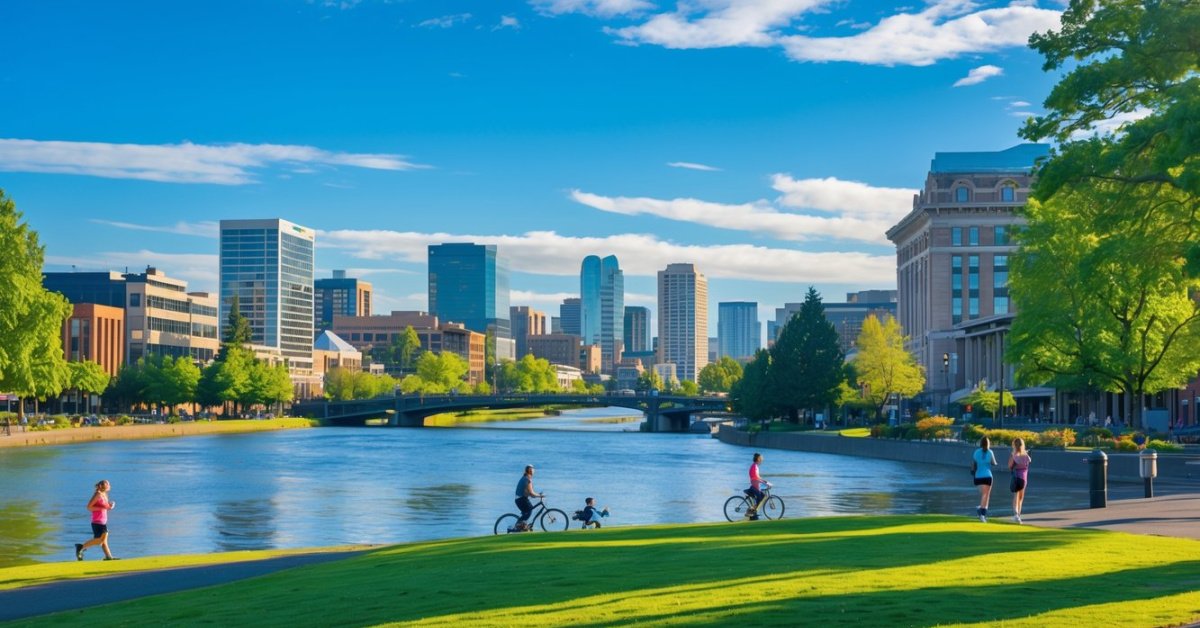
When I first wandered into The Dalles, I felt like I’d stepped into a living storybook set along the mighty Columbia River. This place isn’t just scenic—it’s packed with tales of adventure, trade, and transformation that have shaped the Pacific Northwest for centuries. Every time I stroll the river’s edge, I can almost hear echoes of bustling trade and see canoes gliding across the water.
There’s something magnetic about The Dalles. Maybe it’s the way the landscape blends rugged cliffs with rolling hills or how the river seems to carry whispers of the past. I’ve always been fascinated by how this spot became such a crossroads for people, cultures, and commerce. The Dalles isn’t just a town—it’s a gateway to the history of the Columbia River itself.
The Significance of The Dalles in Columbia River History
Trade routes shaped The Dalles more than any other town along the Columbia River. Native American tribes, including the Wasco and Wishram, traded salmon, roots, and obsidian here for over 10,000 years. I’ve walked parts of the old riverbank and seen petsroglyphs carved by early inhabitants who used this spot as a natural trade depot.
Migration stories define The Dalles. Oregon Trail pioneers reached this town as their last major stop before the wild Cascades. Wagon ruts, preserved in local sites, still mark their struggle. Many travelers built rafts in The Dalles to float the Columbia’s current downstream toward the Willamette Valley.
River control projects changed The Dalles forever. The 1957 construction of The Dalles Dam submerged Celilo Falls, erasing an ancient fishery but bringing industrial energy and a new riverfront landscape. Locals—my family included—often share stories about relatives fishing at Celilo before the dam’s concrete settled in.
Cultural crossroads thrive in The Dalles, rooted in centuries of exchange. Annual tribal gatherings, historical museums, and restored downtown buildings celebrate the river’s living legacy. I spot new murals and commemorative plaques every year that keep the Columbia River stories alive for anyone exploring town.
Historic status defines The Dalles today as much as its past. Preservation projects, including the historic Baldwin Saloon and the Rorick House, connect visitors to the town’s roots in a way that’s unique for the region. I often recommend these stops to friends who want the inside track on Oregon’s authentic past.
Indigenous Peoples and Early Inhabitants
I see the roots of The Dalles in the stories of its earliest stewards. Native peoples shaped this land’s identity long before state lines or pioneer wagons existed.
Native Tribes and Their Legacies
I’ve found that the Wasco and Wishram tribes, both Chinookan-speaking peoples, called this section of the Columbia River home for at least 10,000 years. Their descendants are part of the Confederated Tribes of Warm Springs and Yakama Nation. Tribal members from the Umatilla and Nez Perce Nations also gathered here for trade and ceremony. Languages, traditions, and spiritual practices connect today’s tribal communities to their ancestral sites throughout The Dalles area. Fishing for salmon at Celilo Falls, now submerged, brought generations together for harvests and renewal.
Ancient Trade and Gathering Sites
I’ve walked the banks where ancient villages once flourished—Celilo Village and Five Mile Rapids among them. From what I’ve learned, these weren’t just settlements; they were economic hubs. Indigenous traders exchanged salmon, horses, obsidian, and woven baskets with groups as far away as the Great Plains and California. Annual summer gatherings brought thousands along trails to barter, feast, and hold council. Today, rock carvings and trail remnants, visible near river overlooks, offer evidence of the region’s vibrant, interconnected past.
European Exploration and the Fur Trade Era
European exploration brought new change to The Dalles, layering a new chapter over centuries of Indigenous exchange. My research as a lifelong Oregonian has shown me how explorers and fur traders treated The Dalles as a vital landmark and crossroads along the Columbia River.
Early Expeditions and Encounters
Spanish ships mapped the lower Columbia by the 1770s, but overland exploration started with British and American expeditions. Lewis and Clark camped at The Dalles in 1805 and 1806, trading with local Wasco and Wishram leaders. I’ve traced their journals at the Columbia Gorge Discovery Center, where their detailed sketches show the rich Indigenous life and strategic river narrows they encountered. Early Hudson’s Bay Company parties arrived soon after, marking The Dalles as a key point between the coastal forts and inland posts. Each encounter left behind artifacts, from trade beads to iron tools, found in local archaeological digs documented by the Oregon Historical Society.
The Role of The Dalles in the Fur Trade Network
The Dalles became central to the fur trade, especially from the 1810s through the 1840s. Fur brigades from Hudson’s Bay Company and later American traders used this spot as a natural portage, bypassing the treacherous rapids. Local guides, including members of the Wasco and Wishram, negotiated passage and managed trade—sharing salmon, furs, and goods like kettles and knives. I’ve explored records at the Fort Vancouver archives showing how traders held summer rendezvous at The Dalles, exchanging pelts from the Interior for European finery. This active trade fueled settlement growth and set The Dalles apart as one of the oldest continuous trading hubs on the Columbia. The town’s oldest buildings and interpretive signs along the riverfront keep these fur trade stories alive today.
The Oregon Trail and Westward Expansion
Few places along the Columbia River match The Dalles’ role in westward migration. Every trip I’ve taken through this area reminds me just how pivotal this place’s geography and legacy proved for those heading to the Oregon Country.
Pioneers Passing Through The Dalles
Every wagon train that reached The Dalles after following the Oregon Trail faced a defining crossroads moment. Many families—like the Sagers and Applegates—paused here to plan their next move. The basalt cliffs and steep hills meant their route west forked: load wagons onto rafts for a dangerous float downriver, or take the Barlow Road over Mt. Hood. Diaries from 1843 to 1860 show how local Native traders, ferries, and stores in The Dalles became essential lifelines. The town’s trading posts stocked flour, tools, and blankets. Some pioneers camped for days waiting out spring floods, as local guides and ferry operators shared updates about river levels and road conditions. The river site’s natural bottleneck turned The Dalles into a melting pot as thousands filed toward the Willamette Valley.
The Impact on Local Development
Each surge in overland migration brought new change to The Dalles and the Columbia River’s edge. The first US Army post in eastern Oregon, Fort Dalles, opened here in 1850 to support the volume of settlers and keep lines open. Only a handful of original structures remain, including the Surgeon’s Quarters museum, which I’ve visited several times. Main street businesses sprang up to meet both settler and traveler needs—by 1860, census records listed blacksmiths, stables, hotels, and supply stores in town. Ferries and later the Oregon Portage Railroad sped up transportation. As The Dalles grew, it became a key hub for government surveyors and land claim officers mapping the region for arriving families. Traces of these early institutions still shape downtown’s grid and can be seen in the preserved blocks around Union Street today.
Modern Preservation and Interpretation
Modern preservation keeps The Dalles’ layered Columbia River history accessible for everyone who’s curious about Oregon’s authentic past. My work in the region brings me up close with the details of how local museums and community groups interpret and safeguard this heritage.
Museums and Cultural Sites
Museum exhibits and restored heritage buildings showcase The Dalles’ story at the heart of the Columbia River. The Columbia Gorge Discovery Center displays artifacts from Wasco, Wishram, and pioneer life—baskets, trade goods, and trail diaries—alongside interpretive panels on fishery traditions at Celilo Falls. The Original Wasco County Courthouse, built in 1859, anchors a cluster of sites—each one narrating the legal, economic, and cultural changes shaped by the region’s crossroads role.
The Fort Dalles Museum fills out the era of westward migration with wagon ruts, military uniforms, and reconstructed blockhouses. At Tsagaglalal Petroglpyh Site (She Who Watches), I see ancient rock art guided by local tribal partners, offering insight into the river’s spiritual history. Historic saloons, riverfront interpretive trails, and the remains of the old flour mill draw in locals and visitors alike, grounding them in The Dalles’ living past.
Efforts to Protect Historical Landmarks
Conservation projects maintain the integrity of The Dalles’ historic core and Columbia River context. Local advocates and tribal representatives collaborate through restoration committees to prioritize sites like Rorick House, the Baldwin Saloon, and Celilo Park. Preservation easements, grant funding from Oregon Heritage, and partnerships with the Confederated Tribes of Warm Springs enable these projects across aging properties.
Every spring, volunteers restore weathered gravestones at the IOOF Pioneer Cemetery. City ordinances restrict development next to fragile archaeological sites on the riverfront, especially near former Native encampments and fur trade posts. My participation in annual restoration days and oral history workshops ensures that knowledge of The Dalles’ authentic Oregon stories keeps circulating alongside physical preservation.
Conclusion
Visiting The Dalles always leaves me with a deeper appreciation for the stories that flow through this place like the Columbia River itself. Every time I walk along the riverfront or explore a historic building I feel connected to generations of people who shaped this crossroads.
There’s something special about being able to stand where ancient traders once gathered and pioneers paused on their journeys west. The Dalles invites me to slow down listen and let its history become part of my own story.