Whenever I need a real escape into wild beauty I find myself drawn to Malheur National Wildlife Refuge. Tucked away in southeastern Oregon this sprawling sanctuary is a paradise for anyone who loves birds and wide-open spaces. There’s something magical about watching flocks of sandhill cranes take flight or catching the flash of a rare warbler among the willows.
Every visit feels like an adventure. The air is filled with birdsong and the landscape shifts with the seasons. Whether I’m strolling along the marshes or simply soaking in the quiet I always leave feeling refreshed and inspired by nature’s wonders.
Overview of Malheur National Wildlife Refuge
Malheur National Wildlife Refuge covers over 187,000 acres in southeastern Oregon, roughly 30 miles south of Burns. I find its wide-open marshes, lakes, meadows, and sagebrush hills create vital habitats for more than 320 bird species—like tundra swans, American avocets, and yellow-headed blackbirds. The refuge also supports some of Oregon’s highest concentrations of migrating waterfowl each spring and fall.
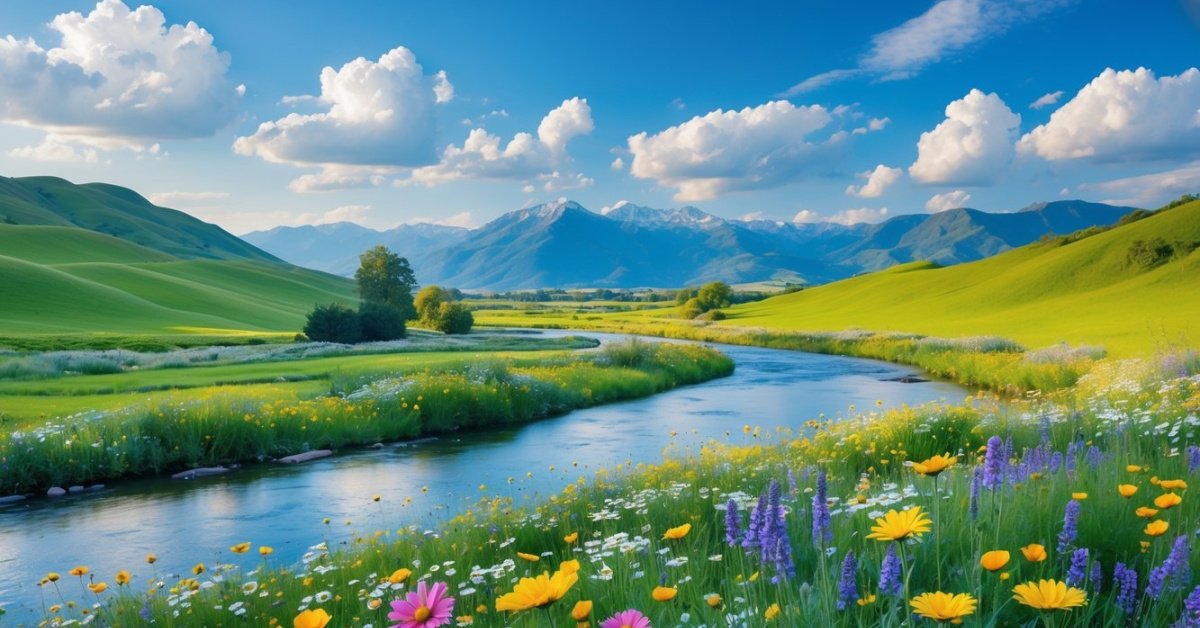
Established in 1908, Malheur stands out as one of the oldest wildlife refuges in the western US. I see plenty of historic structures and remnants of early ranching days, offering context for how nature and culture intertwine here. Diverse landscapes—like flooded meadows in Blitzen Valley and the open waters of Malheur Lake—attract photographers and naturalists, especially when golden hour floods the horizon with light.
I visit throughout the year to observe different migrations, explore the riparian trails, and catch glimpses of pronghorn and mule deer that roam the uplands. Each season at Malheur brings differences in scenery, wildlife activity, and the palette of wildflowers, so the refuge feels new with every trip.
Birdwatching Opportunities at Malheur National Wildlife Refuge
Birdwatching at Malheur National Wildlife Refuge connects me with Oregon’s diverse landscapes and remarkable wildlife. My time spent by these marshes has given me an appreciation for the unique bird species and the rhythms of migration you won’t find anywhere else in the state.
Notable Bird Species to Spot
Malheur’s habitats support a long list of bird species I rarely see together anywhere else in Oregon.
- Sandhill cranes: I watch them every spring and fall, their calls echoing across the meadows as flocks feed in open fields.
- American avocets: I spot these striking shorebirds in shallow pools around April and May, feeding and nesting in the long grasses.
- Tundra swans: Winter brings hundreds of tundra swans gliding across the open lakes, a highlight during the colder months.
- Yellow-headed blackbirds: In late spring, I find them gathered in marsh reeds, contrasting bright yellow heads against tall green stems.
- Rare warblers: Spring migration sometimes brings rare warblers like the Virginia’s warbler or Palm warbler—always a treat for my life list.
Best Seasons for Birdwatching
Malheur offers distinct birdwatching experiences during each season, though migrations shape peak activity.
| Season | Birdwatching Highlights |
|---|---|
| Spring (Mar–May) | Peak of migration; sandhill cranes, shorebirds, ducks, rare warblers flock to wetlands |
| Summer (Jun–Aug) | Breeding season for herons, egrets, blackbirds, ibises, and hawks |
| Fall (Sep–Nov) | Southbound migration; cranes, swans, and waterfowl gather before leaving |
| Winter (Dec–Feb) | Smaller flocks; tundra swans, raptors, and hardy songbirds remain |
Spring gives me the widest variety of species and the thrill of migration. Fall impresses me with dense flocks and the return of cranes and waterfowl before the freeze. Even in winter, hardy resident birds and open landscapes make for rewarding solitude.
Exploring the Natural Beauty and Ecosystems
Malheur National Wildlife Refuge displays a vast sweep of natural environments unique to Oregon. I find that every landscape here creates its own story and rhythm, shaping the wildlife I come across year-round.
Wetlands, Lakes, and High Desert Landscapes
Wetlands stretch for miles in Malheur, supporting rich bird migrations and nesting. Marsh edges fill with cattails and bulrushes—red-winged blackbirds, muskrats, and American bitterns favor these stands. Malheur Lake shifts size with water availability and snowmelt; I’ve seen sandhill cranes, pelicans, and northern pintails flock over the open water or feed at its edges.
High desert surrounds the refuge, with sagebrush flats and bunchgrass hills. Coyotes, pronghorn, and western meadowlarks appear above the drier ground. Lava outcrops and rimrock give ground squirrels and rattlesnakes places to hide, while golden eagles nest nearby. The change from marsh to dry upland happens within minutes by car, making each stop along the auto tour route feel different.
Wildlife Beyond Birds
Mule deer graze the meadows near the refuge headquarters each morning. River otters swim in Blitzen River side channels, especially where the water slows near bends or beaver dams. I often spot black-tailed jackrabbits sprinting across open fields or sunning beside rabbitbrush in spring.
Amphibians like Pacific chorus frogs and western toads fill ponds, particularly after early season rains. Reptiles such as gopher snakes and western fence lizards bask on warm rocks late in the day. I notice dragonflies and butterflies—green darners and monarchs, for example—drifting above willow thickets and wildflower patches through summer.
Each natural community at Malheur carries its own set of rhythms, shaped by water, elevation, and Oregon’s dry high country climate. My longtime view as an Oregonian lets me track subtle shifts across seasons and years, finding something new every time.
Visitor Experience and Practical Tips
Exploring Malheur National Wildlife Refuge always gives me new perspectives on Oregon’s wild places. My visits have taught me what works best for enjoying every corner, whether I’m tracking birds or just soaking in the views.
Trails, Viewing Areas, and Accessibility
Most of Malheur’s top birdwatching happens along auto loops and designated overlook points. I always start at the Visitor Center near headquarters, since it offers checklists, maps, and real-time sightings. Steens Mountain Loop Road and the Center Patrol Road are reliable routes for spotting waterfowl, raptors, and songbirds without leaving the car.
Refuge trails, like the Marshall Pond Trail and the Buena Vista Overlook Trail, offer short walks with panoramic views of marsh and meadow habitats. Every season, these paths display different wildlife behaviors, from courtship dances in spring to autumn gatherings. Most paths are flat and gravel-covered, and some overlook platforms have ramps for wheelchairs or strollers. Restrooms and accessible parking are available at key spots, including Page Springs Campground and the Visitor Center.
Photography and Observation Etiquette
Malheur’s open landscapes and calm light during sunrise or sunset create ideal photography conditions. I stick to marked pullouts and walkways, both to keep the habitat undisturbed and to get stable shots of feeding flocks or wading cranes. Telephoto lenses let me capture close-ups without getting near nests or animals.
During observation, I always use binoculars to minimize movement and avoid startling wildlife. I keep my voice and devices quiet, especially in spring when birds are most sensitive. Leaving no trace lets everyone—including the birds—enjoy the refuge. If I use blinds or screens, I set them up only in approved areas to avoid damaging vegetation.
By sharing these tips, I hope to help others experience Malheur with the same sense of respect and discovery that keeps drawing me back.
Conservation and the Refuge’s Importance
Federal protection shapes Malheur National Wildlife Refuge’s conservation legacy. Since its founding in 1908, the refuge’s management has sustained one of the West’s largestand oldest waterfowl habitats. The wetlands and lakes provide crucial nesting, feeding, and resting spots for migratory birds crossing the Pacific Flyway. Without this federally managed oasis, I’ve seen how populations of species like American white pelicans, cinnamon teal, and northern pintails would decline—the loss of healthy stopovers means fewer birds returning every year.
Habitat diversity anchors the refuge’s ecological value. My own visits show how Malheur’s mix of marshes, meadows, upland sage, and high desert creates homes for hundreds of species. Many, including the greater sandhill crane and Franklin’s gull, rely on these rare, intact wetlands in Oregon’s high desert. Conservation work ensures beavers still engineer waterscapes, amphibians thrive, and rare warblers—like the yellow-breasted chat—find safe nesting.
Water management drives most restoration projects. Malheur’s staff and partners, like the High Desert Partnership, coordinate year-round to balance water levels, control invasive carp, and restore native plants. My conversations with local biologists highlight how this work protects wildlife while supporting sustainable cattle grazing and local communities. Collaborative efforts also prevent disruptive drainage, overgrazing, and development that have damaged Oregon’s other wetlands.
Active research and public education strengthen conservation. Each year, teams monitor bird populations, track migration trends, and collect habitat data that inform land management. Sharing these findings with local schools, volunteers, and visitors helps build statewide support for protecting the refuge. As an Oregonian, I’m proud that Malheur showcases how science-based stewardship and community engagement keep Oregon’s wildest places healthy for future generations.
Conclusion
Every time I set foot in Malheur National Wildlife Refuge I feel a renewed sense of wonder. There’s always a new bird to spot or a quiet corner to explore and the landscape never fails to surprise me. Whether I’m wandering the trails or simply enjoying the sounds of nature I find myself grateful for the refuge’s wild beauty and the dedicated efforts to protect it.
If you’re looking for a place that invites you to slow down and reconnect with nature Malheur is a destination that keeps giving. I can’t wait for my next visit and the discoveries that await.