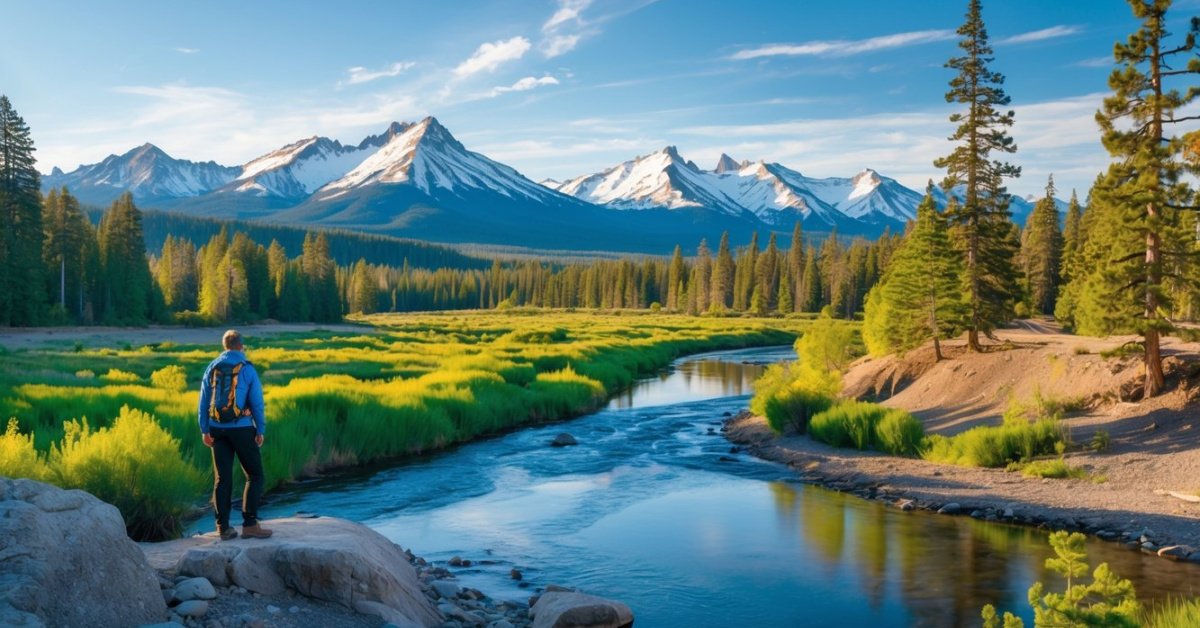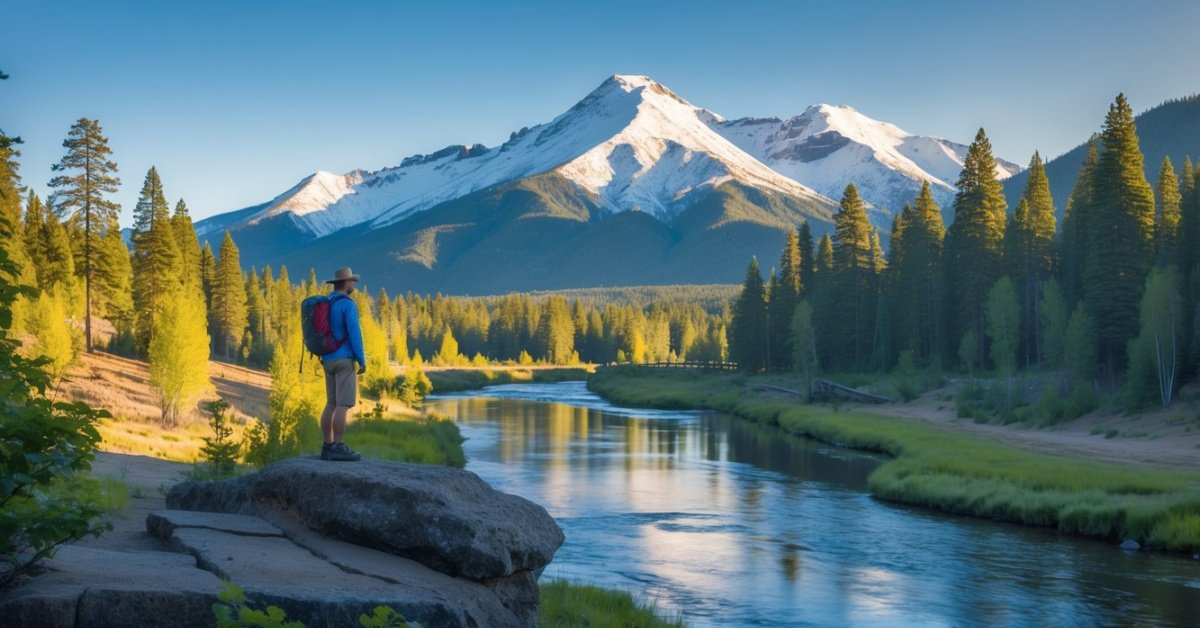
Every time I visit Smith Rock State Park I’m blown away by its dramatic cliffs and sweeping views. There’s a wild beauty here that calls to both adventure seekers and those just looking to soak in the scenery. Whether I’m lacing up my hiking boots or watching climbers conquer the towering rock faces I can’t help but feel inspired.
Smith Rock isn’t just famous for its world-class climbing—it’s also a haven for hikers and nature lovers. The network of trails winds through golden grasslands and along the edge of the Crooked River offering plenty of chances to spot wildlife or just pause and take it all in. No matter how many times I return there’s always something new to discover.
Overview of Smith Rock State Park
Smith Rock State Park rises above central Oregon’s high desert, about 26 miles north of Bend. I’d describe its spires and basalt cliffs as the park’s signature landscape, instantly recognizable to anyone who’s climbed or hiked here. Covering around 651 acres, it frames the Crooked River below jagged rock formations—a setting I’ve walked through countless times.
Elevations at Smith Rock range from 2,600 feet at the river level to 3,360 feet at the summit of Misery Ridge. Winters bring snow dustings and crisp air to the volcanic rocks while summers get dry and hot, usually climbing above 90°F during July and August. I’ve found the area’s semi-arid ecosystem supports native bunchgrasses, juniper trees, golden eagles, mule deer, and river otters.
Oregon’s park system designates Smith Rock as a day-use area, though a climber’s bivouac campground operates March to November. The most popular entrance sits on Crooked River Drive near Terrebonne, which gives direct access to trailheads like Misery Ridge and Rim Rock. Climbable routes and trailheads remain close together, so I can switch from hiking to spotting climbers in just minutes.
Smith Rock’s volcanic tuff and basalt walls attract sport climbers, traditional climbers, and boulderers from the Pacific Northwest and beyond. People travel long distances for iconic features like Monkey Face and the sheer Red Wall. Lately, several trails and climbing routes get improved or rerouted every season to balance recreation and conservation.
Crowds peak during spring and fall weekends or holidays, especially when the weather feels mild. Early mornings or midweek visits offer quieter conditions. Parking lots fill fast, so I often arrive before 8 AM if I plan to spend a full day on the rocks or trails.
Smith Rock State Park combines Oregon geology, wildlife, and outdoor recreation in a way few places match.
Rock Climbing at Smith Rock State Park
Smith Rock State Park offers some of the best rock climbing in Oregon. I find the blend of volcanic tuff and basalt creates unique challenges for every skill level.
Notable Climbing Routes
Smith Rock holds over 1,800 established climbing routes, including both sport and traditional options. I always see Monkey Face, a 350-foot spire, drawing advanced teams with classic routes like Just Do It (5.14c) and Monkey Space (5.13b). Morning Glory Wall stays busy year-round due to famous climbs such as Nine Gallon Buckets (5.10c) and Zebra Zion (5.10a). Beginners usually prefer easy-access routes on Red Wall, including Cinnamon Slab (5.6) and Super Slab (5.6). The Dihedrals and Christian Brothers areas offer moderate classics like Five Gallon Buckets (5.8) and Voyage of the Cowdog (5.9).
| Area | Notable Route | Difficulty | Route Type |
|---|---|---|---|
| Monkey Face | Just Do It | 5.14c | Sport |
| Monkey Face | Monkey Space | 5.13b | Mixed Aid |
| Morning Glory Wall | Nine Gallon Buckets | 5.10c | Sport |
| Red Wall | Cinnamon Slab | 5.6 | Trad/Sport |
| Christian Brothers | Five Gallon Buckets | 5.8 | Sport |
Tips for First-Time Climbers
First-time climbers at Smith Rock benefit from a few local insights. I always recommend arriving early or midweek to avoid crowds and midday heat, especially from May through October. Local guide services offer group or private instruction, perfect for new climbers looking for safe, guided ascents. I use a 60-meter rope and helmet since rockfall happens near busy walls. The State Park requires a day-use fee displayed in your vehicle, so I keep cash or a card handy for the pay station. Bathrooms stand near the main parking lot and bivouac campground. Drinking water is available only at the campground, so I carry extra, especially during summer. Rattlesnakes show up occasionally along trails, so I keep alert and stick to established paths.
Scenic Trails and Hiking Opportunities
Smith Rock State Park offers some of the most scenic hiking trails in Central Oregon. I find that every trail reveals a new angle of the park’s famous cliffs, spires, and sweeping Crooked River canyons.
Popular Hiking Trails
- Misery Ridge Trail
I consider Misery Ridge Trail the park’s most iconic hike. The route climbs quickly from the Welcome Center, zigzags up steep switchbacks, then opens up to sweeping views across the high desert. After topping out near 3,360 feet, I always take in the panoramic views of Monkey Face, the Cascades, and winding river bends.
- River Trail
The River Trail offers easier terrain along the riverbanks, perfect when I want something less strenuous. This mostly flat path links the main bridge to the northern tip of the park, passing wildflowers, basalt pillars, and winding through cottonwood groves.
- Canyon Trail
Canyon Trail connects with River Trail and provides shade as it travels through the base of the main canyon. I like to use this connector for loop options or as a gentler return route when linking up with climbing areas.
- Summit Trail
For panoramic horizons and high-desert solitude, Summit Trail covers the northern rim and delivers less-crowded vistas over the park and neighboring farmland.
| Trail Name | Distance (Round Trip) | Elevation Gain | Notable Features |
|---|---|---|---|
| Misery Ridge Trail | 3.7 miles | 1,000 feet | Steep switchbacks, summit views |
| River Trail | 4.5 miles | Minimal | Crooked River, wildflowers, wildlife |
| Canyon Trail | 1.5 miles | 150 feet | Shade, basalt pillars |
| Summit Trail | 7.3 miles | 800 feet | Rim views, solitude |
Wildlife and Photography Spots
My hikes at Smith Rock almost always include unexpected wildlife encounters. Raptors like golden eagles, prairie falcons, and red-tailed hawks nest along the cliffs. I spot mule deer on early spring mornings and listen for river otters splashing in the Crooked River near dawn. Western rattlesnakes are rare, but I keep a careful eye in rocky areas from May through September.
For photography, the golden hour right after sunrise is my favorite. The base of Monkey Face glows with soft light, and the main viewpoint above the footbridge captures the cliffs’ fiery reds. I often set up at the Rim Rock Trail overlook or south-facing overlooks near the summit for wide-angle shots of Three Sisters, Broken Top, and Mount Jefferson. Wildlife photographers stake out near the river’s northern end for chances to capture beavers, herons, and sometimes bald eagles.
These trails and vistas change color and feel with the season, but I’ve never had the same experience twice hiking through Smith Rock State Park.
Visitor Experience and Amenities
Visiting Smith Rock State Park offers a unique blend of convenience and jaw-dropping scenery. I’ve spent years exploring every trail and nook in the park and rely on its established amenities to get the most out of each visit.
Park Facilities and Accessibility
Smith Rock State Park includes day-use areas, paved onsite parking lots, and vault toilets located near main trailheads like the Welcome Center and the base of Misery Ridge. The park also operates a dedicated climber’s bivouac campground from March through November, which features tent sites, covered cooking areas, water, and restrooms. For visitors with mobility needs, there’s an accessible viewpoint near the main parking lot that provides unobstructed views of the rock formations, plus limited wheelchair-friendly paved paths. Dogs remain welcome throughout the park if kept leashed, and waste stations line the popular trail corridors.
I often pick up park maps and current trail information at the Welcome Center, open seasonally, where volunteers answer questions about routes and safety. While cell service works sporadically at trailheads, it drops out in canyon areas. Trash receptacles and recycling bins sit at all main gathering points—many regulars and I always pack out extra litter since the high-desert ecosystem can’t break down waste quickly.
Best Times to Visit
Local knowledge shapes when I head to Smith Rock. Mornings before 9 a.m. and weekdays in spring or fall mean fewer crowds, quieter trails, and cool temperatures perfect for climbing or hiking. Peak wildflower and raptor nesting activity typically occur from late April through June, drawing birdwatchers and nature photographers. Summers often hit 90°F, and exposed trails can feel intense by early afternoon, with the best shade and cooler temps in the Lower Canyon and near the Crooked River.
Winter visits deliver crisp air, especially in December and January, with occasional light dustings of snow that transform the rock spires—although several steep trails get icy and some routes close to protect nesting birds from January through mid-summer. I watch for state park alerts online or at the gate, especially during wildfire season in late August and September, which sometimes restricts camping or hiking.
Conclusion
Every time I leave Smith Rock State Park I feel like I’ve only scratched the surface of what it has to offer. Whether I’m climbing a new route or just soaking in the views from a quiet trail there’s always a sense of wonder that draws me back.
If you’re looking for a place where adventure meets tranquility Smith Rock is hard to beat. I can’t wait for my next visit and the discoveries that await—maybe I’ll see you out there.